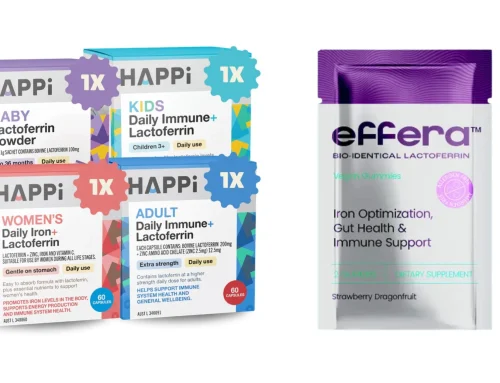
Courtesy: Plantible Foods
Welcome to the Forward Fooding Novel Ingredients Series, a new editorial strand where we go deep on the ingredients we think will define the next decade of food. Not hype, not speculation. Just the science, the companies, the data, and the timing. Edition 01: Rubisco.
The Protein Supply Is Breaking, And the Industry Knows It
Whey protein concentrate has risen in cost by 108% over the last two years. Whey protein isolate has nearly doubled. US supply contracts are sold out through the end of 2026. This is a structural ceiling, not just a blip from a bad quarter. Whey is a byproduct of cheesemaking. You cannot scale whey without scaling cheese. The infrastructure investments right now (Glanbia, Tirlán’s €126M expansion, Idaho Milk Products’ $200M facility) won’t deliver meaningful relief until late 2026 or 2027 at the earliest.
Eggs aren’t doing better. Highly pathogenic avian influenza (HPAI) has killed 7.4 million birds in Pennsylvania alone in February 2026, adding to cumulative losses across years of recurring outbreaks. Egg prices hit $1 per egg in peak US markets and decade highs in Europe. The supply chain is fragile by design: concentrated, climate-exposed, and increasingly unable to absorb the shocks that keep coming.
Then there’s the demand side, which is only accelerating the problem. 12% of Americans were on GLP-1 medications in 2025, up from 6% the year before. 46% of those users are actively increasing their protein intake. 70% of Americans now say protein is a nutritional priority. In fact, according to the 2026 Protein Market Report, analysts have estimated that if even 25% of people eligible for GLP-1 medications in key markets start taking them at recommended doses, the world could need an additional 3 billion kilograms of whey protein by the end of 2026.
There is a gap forming between what incumbent proteins can supply and what the market needs. That gap is where opportunity lives.
The Answer Has Been Growing Under Our Feet All Along
Ribulose-1,5-bisphosphate carboxylase/oxygenase, or Rubisco, is the enzyme responsible for photosynthesis in every green plant on Earth. It is found in alfalfa, spinach, kale, duckweed, banana leaves, tomato leaves, and sugar beet tops. Researchers describe it as the most abundant protein on the planet.
And until very recently, we hadn’t figured out how to eat it.
Nutritionally, Rubisco is exceptional. It contains all nine essential amino acids and carries a PDCAAS score near or at 1.0, the gold standard, matching beef, egg whites, whey, and casein. It’s rich in vitamins, minerals, antioxidants, and micronutrients. Leaft Foods‘ version has been shown to digest up to six times faster than conventional proteins.
Functionally, it’s equally compelling. Rubisco foams, gels, and emulsifies. In baked goods, it behaves like egg whites. In plant-based meat, it serves as a clean-label alternative to methylcellulose, and performs in both hot and cold applications. Its color is off-white, its flavor neutral, its odor absent. It drops into existing formulations without compromise. For food manufacturers trying to reformulate away from whey or eggs right now, that profile is essentially what they’re looking for, and struggling to find elsewhere.
So why haven’t we been using it?
Scientists have been trying to extract Rubisco from green leaves for years, but it is a very delicate protein. Heat, harsh solvents, and conventional processing methods denature it and destroy its functionality. Every time researchers managed to extract it, what came out was nutritionally intact but functionally inert. The ingredient was there, but the technology wasn’t.
That has now changed.
The Extraction Breakthrough: What the Startups Are Doing Now
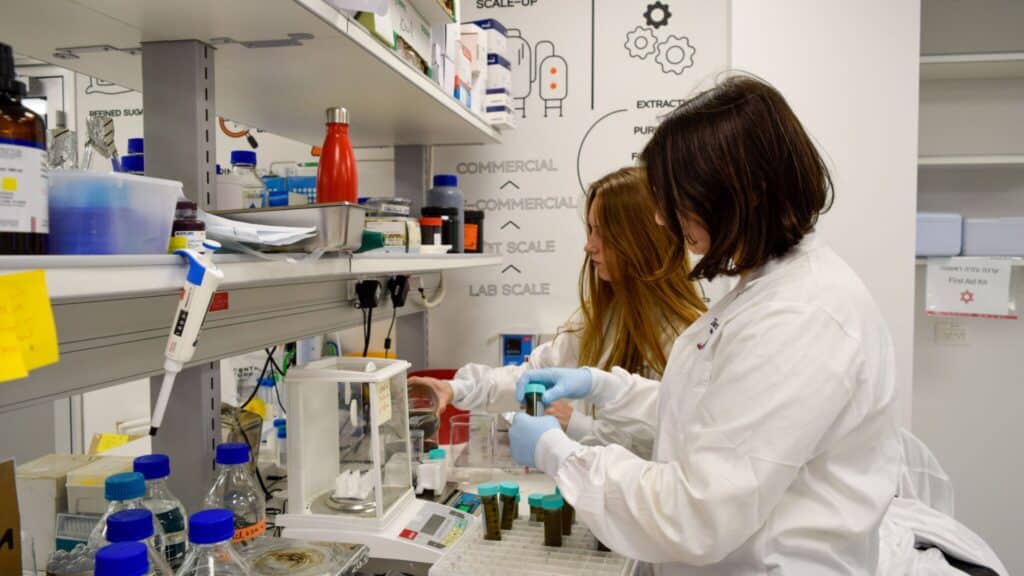 Courtesy: Day 8
A small group of companies has developed gentle, food-safe extraction processes that preserve Rubisco’s integrity. The exact methods are proprietary and vary by company, but the common thread is low-intervention, speed-sensitive processing: no heat, no harsh solvents, careful handling at every stage.
Where they source the protein differs too, and those sourcing differences matter for scale, sustainability, and commercial positioning:
Alfalfa is the feedstock of choice for Leaft Foods and Fudi Protein. It’s a perennial crop that can be harvested for up to 10 years, drought-tolerant, nitrogen-fixing, and already cultivated on 17 million acres across the US. It yields 50% more protein per acre than soy. Leaft Foods’ extraction process generates 97% fewer greenhouse gases than whey.
Duckweed (lemna) is the source for Plantible Foods. It is the fastest-growing plant on Earth—doubling every two to three days—requires no farmland, and has a water footprint ten times lower than soybeans. Plantible’s duckweed-derived Rubisco carries a PDCAAS score of 1.0.
Discarded agricultural crop leaves, with a focus on banana leaves, are the feedstock for Israeli startup Day 8. The company’s model is built around upcycling waste material with no competing demand and near-zero input cost; a strong economic and ESG case in one.
In every case, the raw material is already there at scale. This is not a new class of crop; only a new class of extraction.
The Commercial Landscape
We’ve been tracking the Rubisco category closely on the FoodTech Data Navigator, and the ecosystem that’s assembled in the last three years is striking. Here’s where things stand with the leading players:
Plantible Foods
Plantible Foods (San Diego, US) is the category’s regulatory pioneer. In February 2026, the company received a “No Questions” letter from the FDA, the first-ever regulatory acknowledgment for isolated Rubisco protein in the US. Its product, Rubi Protein, is derived from duckweed grown on controlled aquafarms in Eldorado, Texas, comprises 85% protein by weight, and is free from 20 allergens. The FDA authorises its use as an emulsifier, thickener, or gelling agent across baked goods, functional beverages, breakfast cereals, pasta and noodles, plant-based meat, dairy alternatives, and snacks, at inclusion levels up to 5%.
Plantible has developed two commercial blends: Rubi Whisk, designed for egg- and gluten-free baking, and Rubi Prime, a methylcellulose alternative for plant-based meat. In a notable industry partnership, Plantible also co-developed Rovitiras Binding Solution with ICL Food Specialties, a clean-label methylcellulose replacement that signals established ingredient majors are already moving.
The company has raised $57M in total (including a $30M Series B in 2024) and operates a 100-acre commercial facility in Texas that it plans to triple in capacity.
Leaft Foods
Leaft Foods (Canterbury, New Zealand) is the category’s first mover in consumer products. Its RTD pouch, Leaft Blade, delivers 17g of protein per 100ml—the equivalent of 50,000 green leaves per serving— and digests up to six times faster than conventional proteins. It launched in the US in early 2026 and has since been incorporated into menus at Palmetto Superfoods, a California açaí chain, providing consumer-facing proof of concept at retail.
On the B2B side, Leaft is running bakery trials with Foodstuffs South Island, replacing egg protein in commercial-scale cake and muffin production. But the company’s most significant signal came in June 2026, when Japanese dairy major Lacto Japan made a strategic equity investment, building on a commercial partnership targeting tens of millions of dollars in revenue within five years, with access to some of Japan’s largest food manufacturers across plant-based foods, bakery, and sports nutrition.
Leaft has raised $15M in total and operates a 30,000 sq ft commercial demo plant, which produces one tonne of Rubisco products per week.
Fudi Protein
Fudi Protein (Wisconsin, US) was founded by Udi Lazimy, former head of supply chain and sustainability at Eat Just, and has received early-stage investment from Green Boy Group, a global plant-based ingredient supplier. Fudi’s extraction process achieves 80% protein purity from alfalfa, and the resulting ingredient is neutral in flavor, odorless, and white, designed as a one-to-one replacement for egg whites across protein bars, dairy alternatives, baked goods, and RTD beverages.
A distinctive element of their model: all alfalfa biomass generated during extraction—fibre, chlorophyll, micronutrients—is returned to farmers as co-products, creating a fully circular processing model with strong ESG credentials for corporate procurement conversations. Its environmental performance is notable, as associated emissions and water use are up to 94% lower than eggs and 96% lower than dairy.
Fudi is targeting to scale up its manufacturing by Spring of 2027.
Day 8
Day 8 (Rehovot, Israel) raised $750K in pre-seed funding from The Kitchen FoodTech Hub and was founded in 2023 by Daniel Rejzner (CEO) and Dana Marom (CTO). Its differentiation is feedstock: discarded crop leaves, with a primary focus on banana leaves, a material stream with no competing demand and negligible cost.
The company is developing Rubisco applications across plant-based meat, egg replacement, and sports nutrition. It is targeting the US market first, a pathway made considerably more navigable by Plantible’s FDA approval.
Kyomei
Kyomei (Cambridge, UK) takes a distinct approach to Rubisco extraction: by combining molecular farming and bioprocessing. Founded in 2021, the company genetically programs crops to express high-value proteins directly in their leaves, integrating this trait into the seeds that farmers already use. At harvest, the leaves, which would otherwise be discarded as agricultural waste, are delivered to Kyomei’s processing facilities where its Green Ex platform extracts Rubisco alongside other functional ingredients. The result: a Rubisco ingredient positioned as a clean-label egg and whey replacement and natural alternative to functional additives like methylcellulose and xanthan gum.
The company won the Fi Europe Startup Challenge 2025 and has been backed by Happiness Capital, EIT Food, Plug and Play, and SOSV’s IndieBio programme.
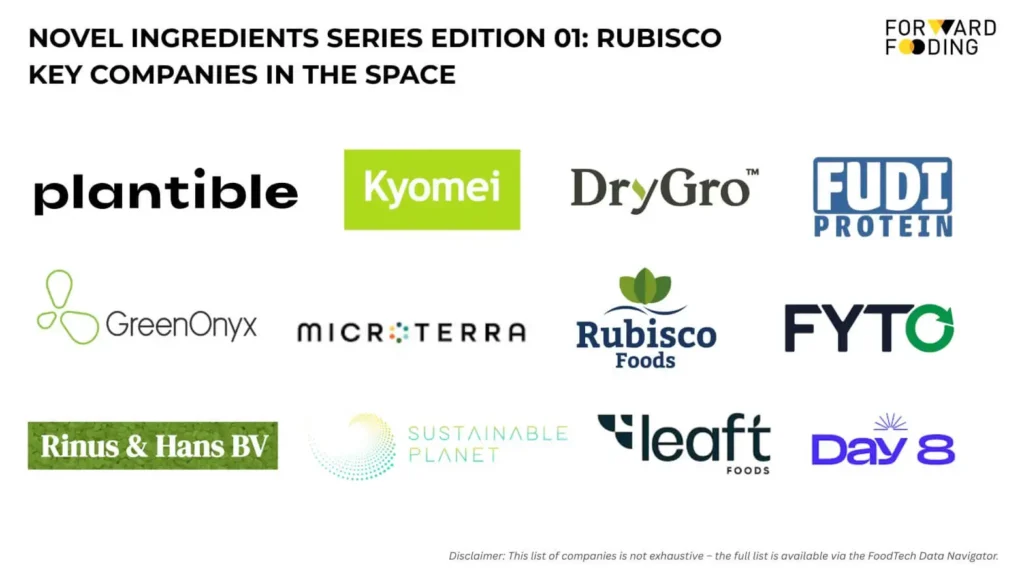
Beyond these five, the broader ecosystem includes Rubisco Foods, Sustainable Planet, GreenOnyx, MicroTerra, DryGro, Ful Foods, Rinus & Hans, and Fyto. Information from the FoodTech Data Navigator tells the same story as the fundraising activity: this is not a niche experiment but the formation of a new category.
The Investment and Strategic Timing Case
We’ve been watching this space for a while. Here’s why we think the window is now.
The regulatory pathway is open. Plantible’s FDA GRAS approval in February 2026 is the most important unlock the Rubisco category has seen. It establishes regulatory precedent that all subsequent companies can build on. Fudi Protein CEO Udi Lazimy described it as “a huge benefit” and “an easier pathway for the whole sector.” That’s not hyperbole; the first company through the door does the hardest work and everyone after moves faster.
Whey can’t be fixed at speed. The infrastructure investments underway will eventually add capacity. But whey is structurally constrained: it’s a byproduct, so it scales only as fast as cheese production. The compounding pressure from GLP-1 adoption means demand is growing faster than any realistic infrastructure timeline can address. Rubisco faces none of those constraints. The raw material is already in the ground, at scale, across multiple feedstocks.
Egg volatility is recurring, not resolved. HPAI outbreaks are not going away. The egg supply chain will remain fragile. Food manufacturers increasingly need alternatives with genuine functional parity, and Rubisco is the closest match that currently exists. The commercial bakery trials already underway validate this in practice, not just theory.
Rubisco outperforms the existing plant-based options. This matters for the formulation argument. Pea and soy have driven the plant-based protein category for years, but they carry compromises: flavor challenges, lower digestibility, inferior amino acid profiles. Rubisco competes on the metrics that matter for mainstream formulation: amino acid completeness, digestibility, neutral sensory profile, and functional versatility. It’s positioning for roles currently held by animal proteins.
Corporate capital is already moving. Lacto Japan’s equity stake in Leaft Foods is the clearest signal that large food companies are taking stakes to secure access to supply. That signals the start of the race.
The market is large and the entry conditions are favorable. The plant-based protein market is estimated at $23.89 billion in 2025 and projected to reach $34.97 billion by 2030, at a CAGR of 7.9%. Rubisco is entering that market at the exact moment when two of the incumbent proteins it can replace are under structural pressure. That combination of timing is rare.
Where the Caution Flags Are
None of this makes Rubisco a sure thing, so it’s worth noting where the thesis remains unproven.
Price parity is still unproven at scale. Every company profiled above is operating at demo-plant or early-commercial volumes, not the scale whey and soy run at. Gentle, low-heat extraction is also inherently more delicate and historically more expensive than the high-throughput processing that incumbent proteins rely on. Whether Rubisco can hit a cost basis that food manufacturers will reformulate around, rather than just a sustainability story, is the open question corporates should be pressure-testing in supplier conversations now.
The regulatory win so far is US-only. Plantible’s FDA “No Questions” letter is real and important, but it doesn’t automatically carry over to the EU, the UK, or other major markets, each of which maintains its own novel-food or food-additive dossier. A genuinely global rollout is still gated market by market, which slows the timeline for any corporate counting on parallel launches.
Rubisco isn’t the only novel protein chasing this gap. Precision-fermented proteins and improved pea and mycoprotein formulations are pitching food manufacturers the same whey- and egg-displacement story, often with longer commercial track records. Rubisco’s edge is genuine: amino acid completeness, neutral sensory profile, and novel feedstocks. But it’s also competing for procurement attention and investor capital.
The corporates who move now are the ones who get to help write the cost curve and the regulatory playbook, rather than reacting to it once it’s already written by someone else.
Where Rubisco Goes: Applications Already in Commercial Use
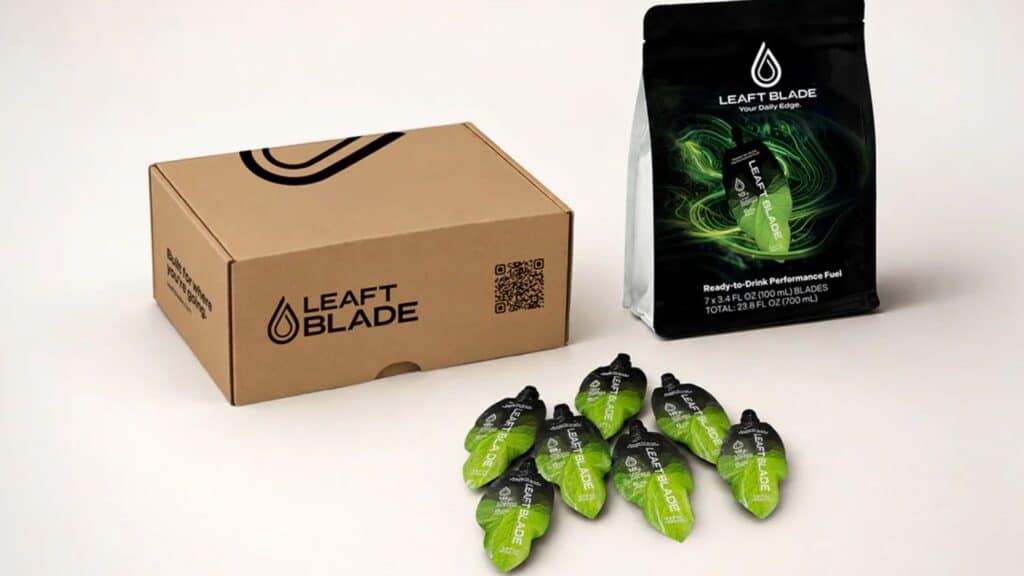 Courtesy: Leaft Blade
The application map for Rubisco is broader than most novel ingredients at this stage:
- Egg replacement in baked goods: cakes, macarons, meringues, glazes, muffins; validated in commercial bakery trials by Leaft Foods x Foodstuffs South Island
- Plant-based meat: clean-label methylcellulose replacement (both hot and cold); Plantible x ICL Food Specialties already in market with Rovitiras Binding Solution
- Sports nutrition and RTD protein beverages: high solubility, fast digestibility, neutral flavour; Leaft Blade already at retail in the US
- Dairy and non-dairy alternatives: gelling at lower concentrations than whey or soy
- Pasta, noodles, breakfast cereals, snacks: all covered in Plantible’s FDA authorisation
- Pet food: Leaft Foods and Meateor Pet Foods partnership already generating revenue
- Protein fortification: neutral sensory profile means no formulation compromise across categories
The Question for Corporates
Rubisco is now in commercial production. It has FDA approval. It has B2B customers. It has consumer products on shelves. And as of June 2026, Time Magazine has covered it, which means mainstream consumer awareness is beginning to build, and the window for the industry to get ahead of that curve is measurable in months.
The companies that establish formulation relationships, sourcing partnerships, or equity positions in this space over the next 12 to 24 months will have a meaningful head start. Lacto Japan understood that, as well as the major ingredient companies partnering with Plantible.
For corporates and investors reading this: the question isn’t whether Rubisco will matter. It’s which proteins in your current portfolio are most exposed to whey or egg volatility, and what your contingency plan looks like.
Forward Fooding is the world’s first collaborative platform for the Food & Beverage industry via FoodTech Data Intelligence and Corporate-Startup Collaboration – Learn more about our Consultancy and Scouting Services and our Startup Network.