
Feeding the Future: AI’s Role in Sustainable AgriFoodTech Solutions
Artificial intelligence (AI) has taken the world by storm, especially [...]
Artificial intelligence (AI) has taken the world by storm, especially [...]
According to a report by the World Resources Institute, our [...]
Gone are the days when food packaging was merely a [...]

Courtesy Chi Botanic As science and technology continue to [...]

Last week, we proudly participated in the 2023 Food 4 [...]
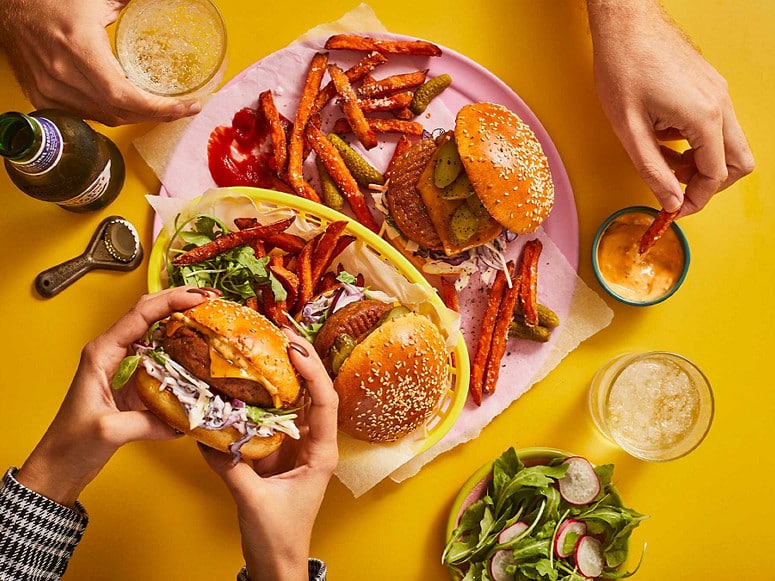
This article aims at shedding light on the Cellular agriculture landscape and what makes us believe that we are also expecting a wave of acquisitions in this sector in the near term. As you may know, cellular agriculture (also called ‘cell-based’or ‘lab-grown’) is an innovative technology that has the potential to revolutionize the way we produce and consume food, especially meat, dairy, and fish.
We are excited to announce the official winners of the 2022 FoodTech 500, recognizing the top companies shaping the future of food! After carefully reviewing all submitted applications, we are proud to share the complete ranking of all 500 companies.
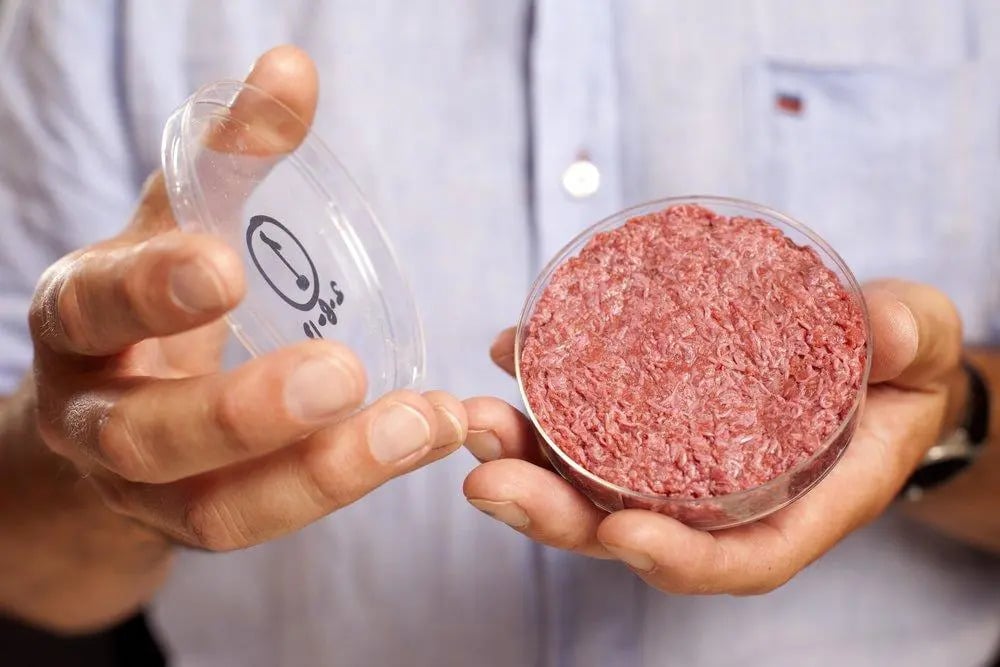
Cellular agriculture, also known as "cell-based" or "lab-grown" foods for [...]
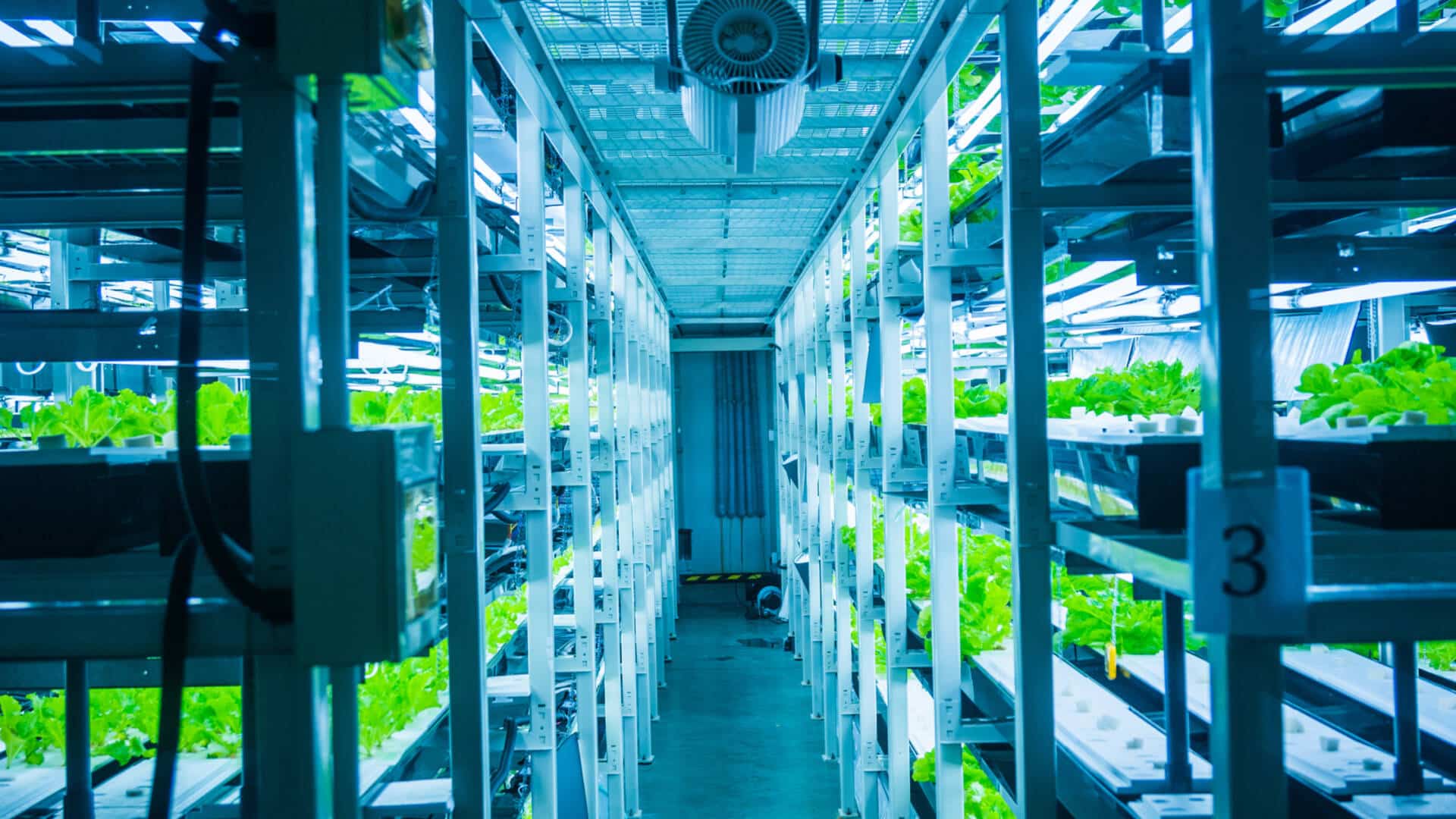
Vertical farming has been lauded for its potential to provide fresh produce throughout the year, regardless of location or climate. However, recent challenges have presented the industry with some obstacles to overcome. A reduction in venture funding and rising energy costs have led to a series of setbacks, including layoffs, delayed farm construction, and even business closures. In the following interview with Sepehr Achard, Chief Executive Officer of iGrow News, a leading news provider for indoor farming and controlled environment agriculture, we understand what has led us to this point and what to expect moving forward.

What if we could grow a gram of pure protein extract inside a plant? Molecular farming proposes to do just that. Plant molecular farming (PMF) is an application of biotechnology that traditionally involves using genetically modified plants to produce useful products such as pharmaceuticals, industrial enzymes and vaccines. Genetically modified plants are used as “bioreactors” to produce the desired products, which can then be harvested and purified for use. Recently, the sector started to make headlines as a few companies gained prominence for their use of this technology in the food industry
GET IN TOUCH
If you have any questions or suggestions, we’d love to hear from you!

Forward Fooding is the world’s first collaborative platform fostering innovation via FoodTech data intelligence & corporate-startup collaboration.
Copyright ⓒ 2026 – All rights reserved. Forward Fooding Ltd
Made with 🫶 for Advancing the Food System.
