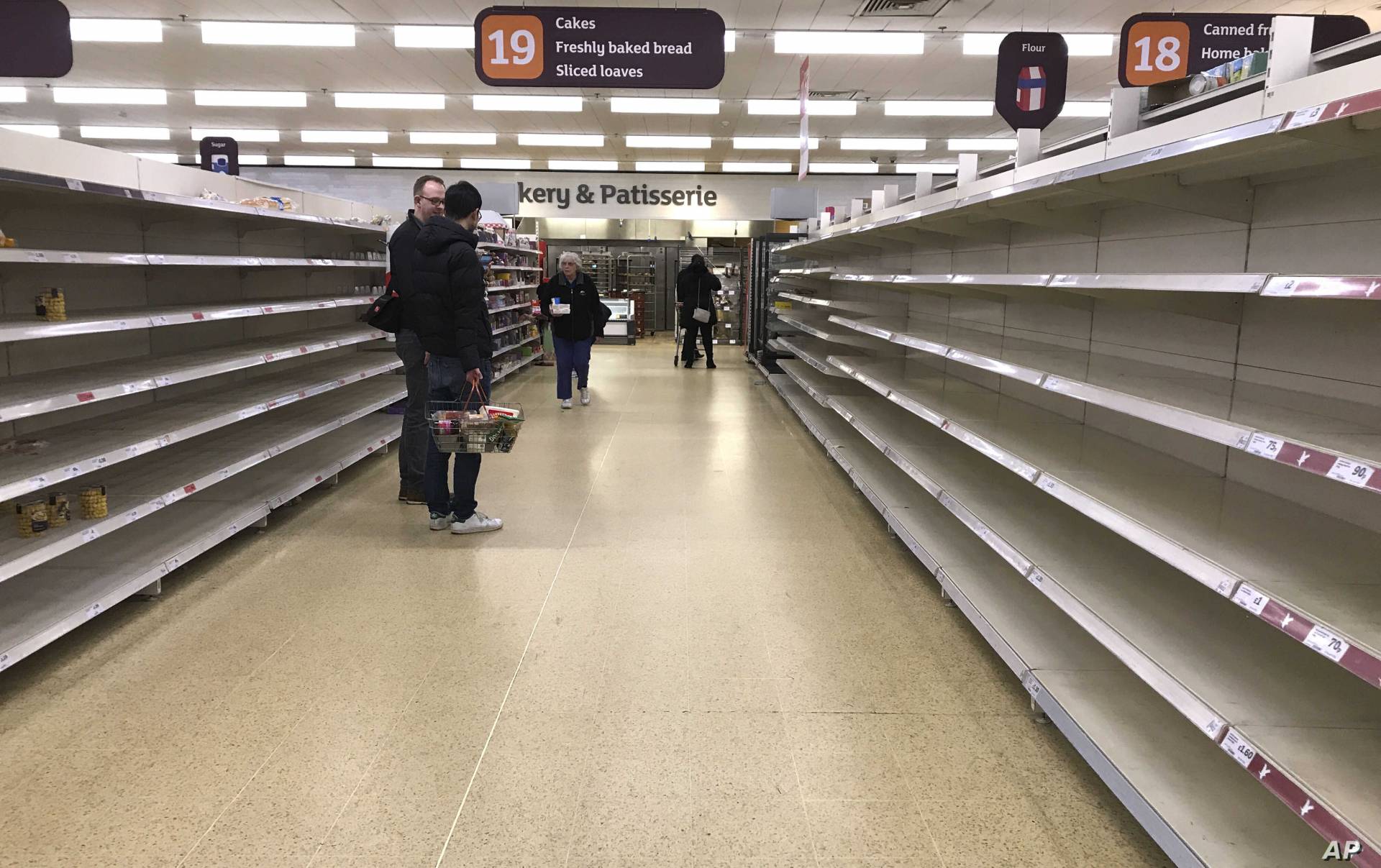
Nobody can doubt that the pandemic has placed enormous pressures on the food system. The farm to food to fork supply chain has been drastically, and potentially irreversibly, affected by the global pandemic. From empty supermarkets, wasted crops, and delivery jams, the issues have been extensive. For many food businesses, it has plunged into sharp reality the need to re-design and re-structure their supply chain to become a more resilient and future-proof system.

What’s Happened
Within each link of the supply chain, there are disruptions that have been caused by the pandemic. With more waves on the horizon, these problems will continue unless supply chain innovation is actualised.
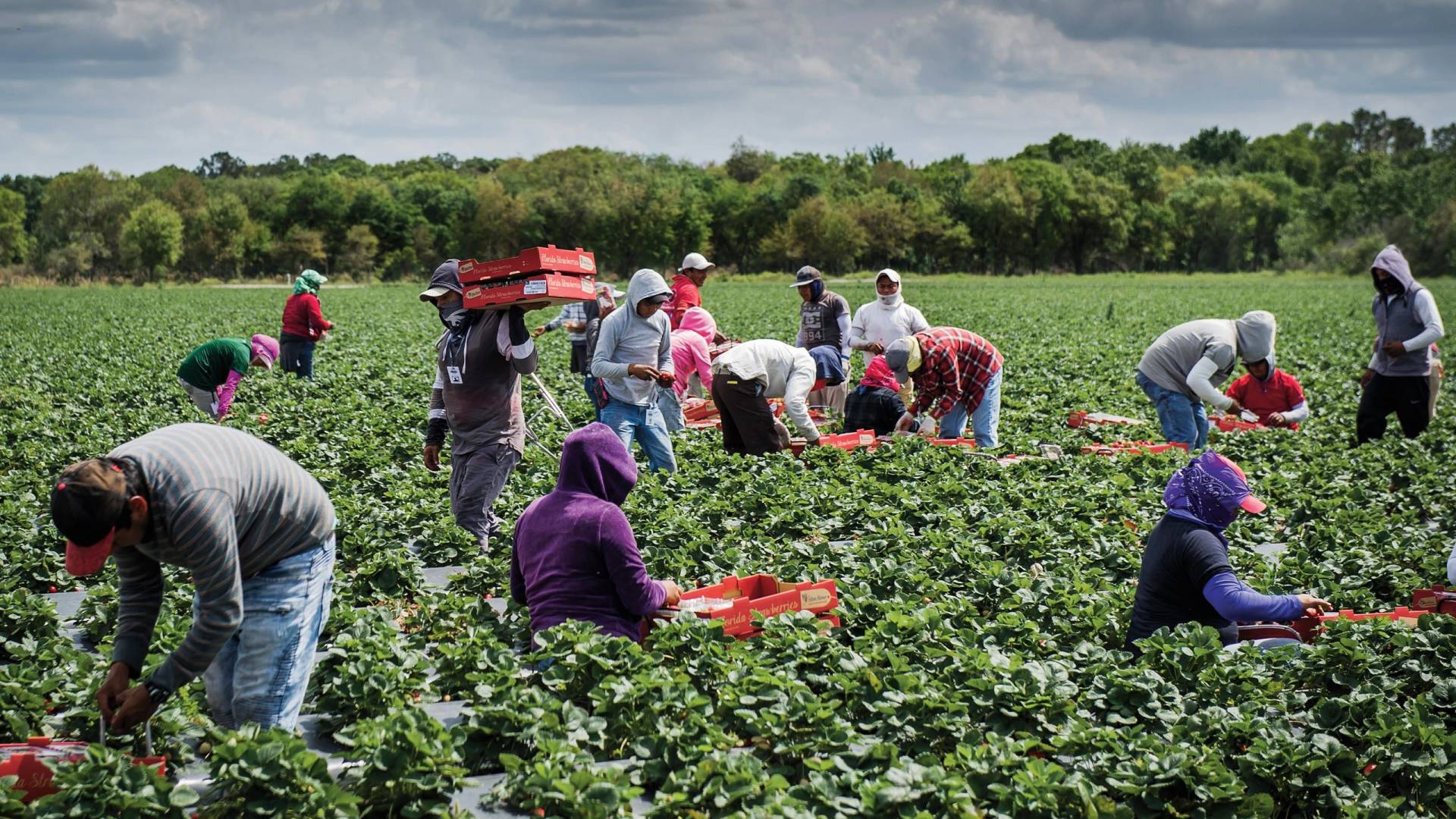
Workers: many farms, particularly within Europe, rely upon a migrant workforce to gather their harvests. Due to lockdown restrictions, and the fear of infection, many workers are no longer able to return to farms. As a result, many crops are spoiling due to a lack of staff to harvest them in time.
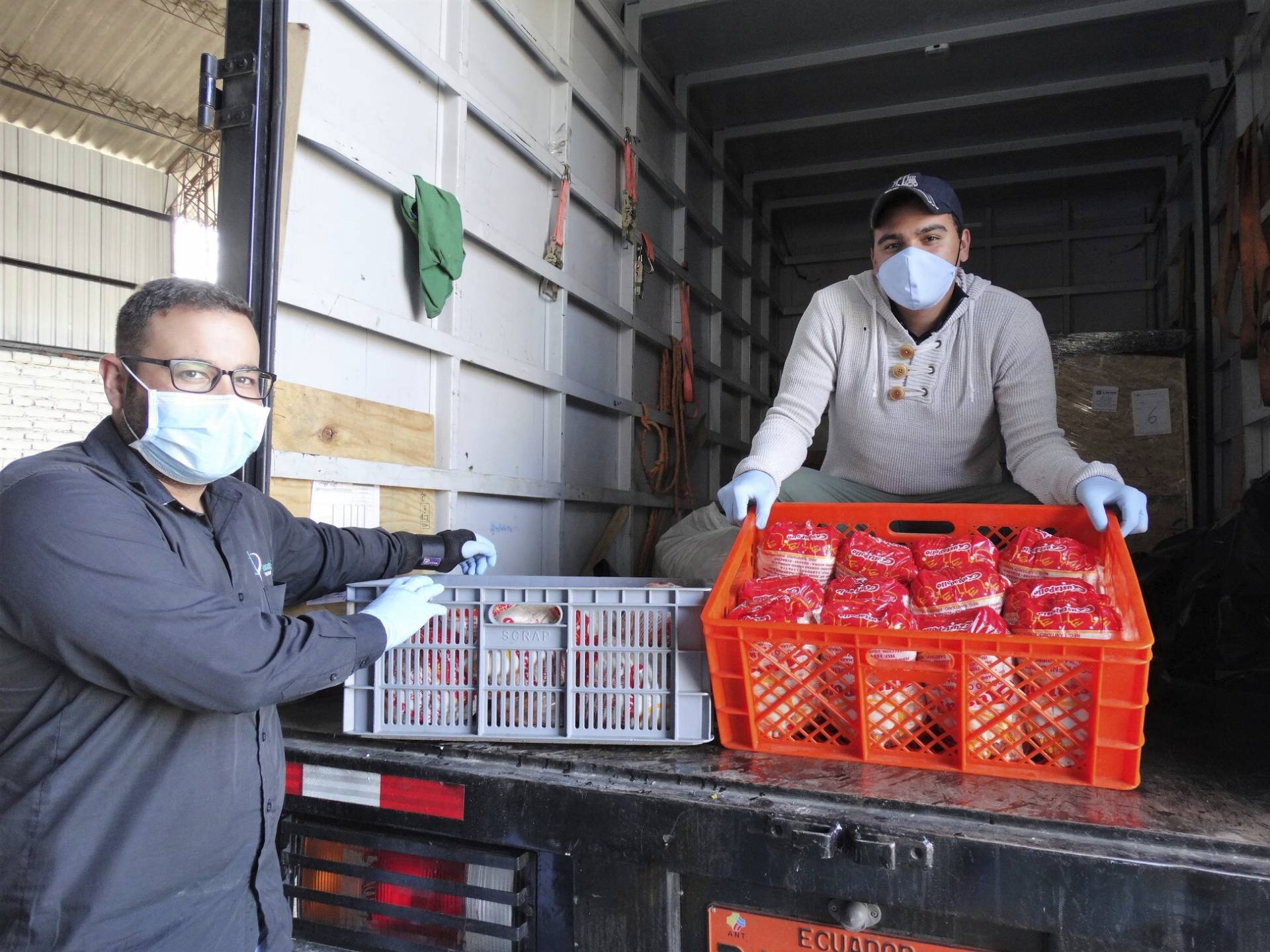
Logistics: when food has been harvested on time, the increased restrictions and borders and new controls around what enters and leaves each country has left the transportation of international fresh produce a logistical nightmare.
Processing: in processing plants, many facilities are closing or reducing their capacity. This is to counteract a decreased workforce amidst safety measures and staff shortages.
Sourcing: even at the final link in the chain, supermarkets are suffering amidst pandemic restrictions. Sourcing issues are forcing certain produce to disappear from store shelves.
Snowball Effect
Whilst a disruption at one link in the chain may appear initially inconsequential, supply chain researcher John G. Keogh has termed these problems as ‘snowballs’. As they continue down the supply chain, the size of the issue escalates, eventually resulting in a catastrophic avalanche. For instance, a handful of outbreaks in a meat-processing plant in Alberta snowballed into a situation whereby 75% of the Canadian beef supply chain went offline. Fundamentally, disruptions in the supply chain set of ripples that reverberate throughout the food services industry, causing problems at every step of the process.
Time To Act
The global pandemic has revealed the inherent weaknesses within the food supply system and demanded change. The food sector is facing an immediate decision: adapt or perish. Here are a few ways we can expect to see supply chains modify themselves to become increasingly resilient in the light of the new world stresses.
Expanding Network: the issues around sourcing certain foods means that companies will need to expand the network of suppliers that they work with, incorporating both regional and global players.
Refining Stock: in many supermarkets, the abundance of choice was perhaps taken for granted pre-Covid. The ability to choose between four or five different brands of one item is simply no longer sustainable. Instead, supermarkets may choose to remove certain products from their shelves, creating a leaner inventory which hold fewer risks should another year like 2020 occur.
Go-to-market versatility: as restaurants continue to close, with over 15,000 permanently shut due to the pandemic, supply chains will need to refocus their attentions. These must include online solutions, creating omnichannel capabilities so as to protect themselves from any future stresses.
Events like Covid-19, accelerate the pace of change we experience. This pace of change is going to significantly reshape or accelerate key sustainability trends within our food system.
A more integrated approach is required to address future human and ecological health. One that recognises that agriculture, economic development, and our environment are linked.
Continue exploring new trends and how companies are adapting to make their supply chains more resilient
When writing this article, we extracted information about startups and trends from the FoodTech Data Navigator. That is Forward Fooding’s data intelligence platform for the Agrifoodtech ecosystem. To find out more, or book a free demo, visit forwardfooding.com/food-tech-data.