
In a world facing mounting pressure to feed growing populations while addressing climate change, (Bio)tech-enabled Food Manufacturing has emerged as the most promising frontier in what we, at Forward Fooding, call Wave 3.0 of FoodTech innovation. This transformative wave, a key component of FoodTech 3.0, is redefining how food is produced, offering solutions that enhance sustainability, nutrition, and efficiency. As we continue to explore this new era of food, we are also highlighting the 2024 FoodTech 500 finalists who are harnessing the power of biology to reimagine our food systems.
The Food System Crisis and the Potential of Biotech Innovation
Our global food system stands at a critical inflexion point, facing unprecedented challenges. Agriculture currently contributes 19-29% of global greenhouse gas emissions while consuming 70% of freshwater withdrawals and degrading roughly a third of Earth’s soil. Despite producing more calories than ever, our food system has created a dual burden of malnutrition and obesity affecting over 3 billion people globally. Recent events have exposed critical vulnerabilities in the global food supply chain, all while population growth demands a 50-70% increase in food production by 2050. These converging crises demand transformative solutions beyond incremental improvements to existing systems – this is where biotech-enabled food manufacturing enters as a potential paradigm shift in how we produce food.
Re-imagining Food Production with Biotechnology
What makes (bio)tech-enabled food manufacturing truly revolutionary is its fundamental reframing of production by shifting from the extraction and processing of agricultural outputs to the precise programming of biological systems as manufacturing platforms. This approach represents a profound paradigm shift in how we conceptualise food production.
Biotech-enabled approaches use microorganisms, cell cultures, or enzymatic processes as their “factories,” often in controlled environments that require significantly fewer resources per unit of output.
Core Technologies Transforming Food Manufacturing
Biotech is changing how we make food, creating more sustainable, nutritious, and efficient ways to feed the world. Here are the key technologies driving this change:
- Cell culture: Cellular agriculture makes it possible to produce food or transform by-products from the food sector into high-value products like meat, dairy, coffee, chocolate, and other novel ingredients through cultivating cells isolated from animals, plants, or microorganisms.
- Fermentation technologies: While traditional fermentation is part of every food culture, other fermentation types make it possible to produce food and ingredients at scale. According to GFI, biomass fermentation leverages the fast growth and high protein content of many microorganisms to efficiently produce large quantities of protein. It is also used in enzyme production. Today, it is possible to produce enzymes from agroindustrial byproducts that can then be applied to biofuel and food processing. Biomass fermentation can be achieved without genetically engineering the strains used. On the other hand, precision fermentation leverages engineered microorganisms to produce food ingredients, such as proteins, fats, flavors, pigments, and vitamins.
- Synthetic biology: Researchers are leveraging synthetic biology to create and assemble new biomolecular components and pathways. This can improve food production, nutrition, and add new functionalities.
- Enabling tech: For example, computational biology, sensing technology, can help optimize bioprocesses and design new food components, such as proteins, by predicting protein sequences and optimizing genetic pathways, in particular with the support of AI
Market Landscape and Growth Trends
According to the FoodTech Data Navigator, there is a significant growth within the sector, which currently comprises over 480 companies and has attracted more than $1.19 billion in investment as of 2024. The sector exhibits a 23% compound annual growth rate (CAGR), indicating significant expansion and investor interest in its potential to transform food production.
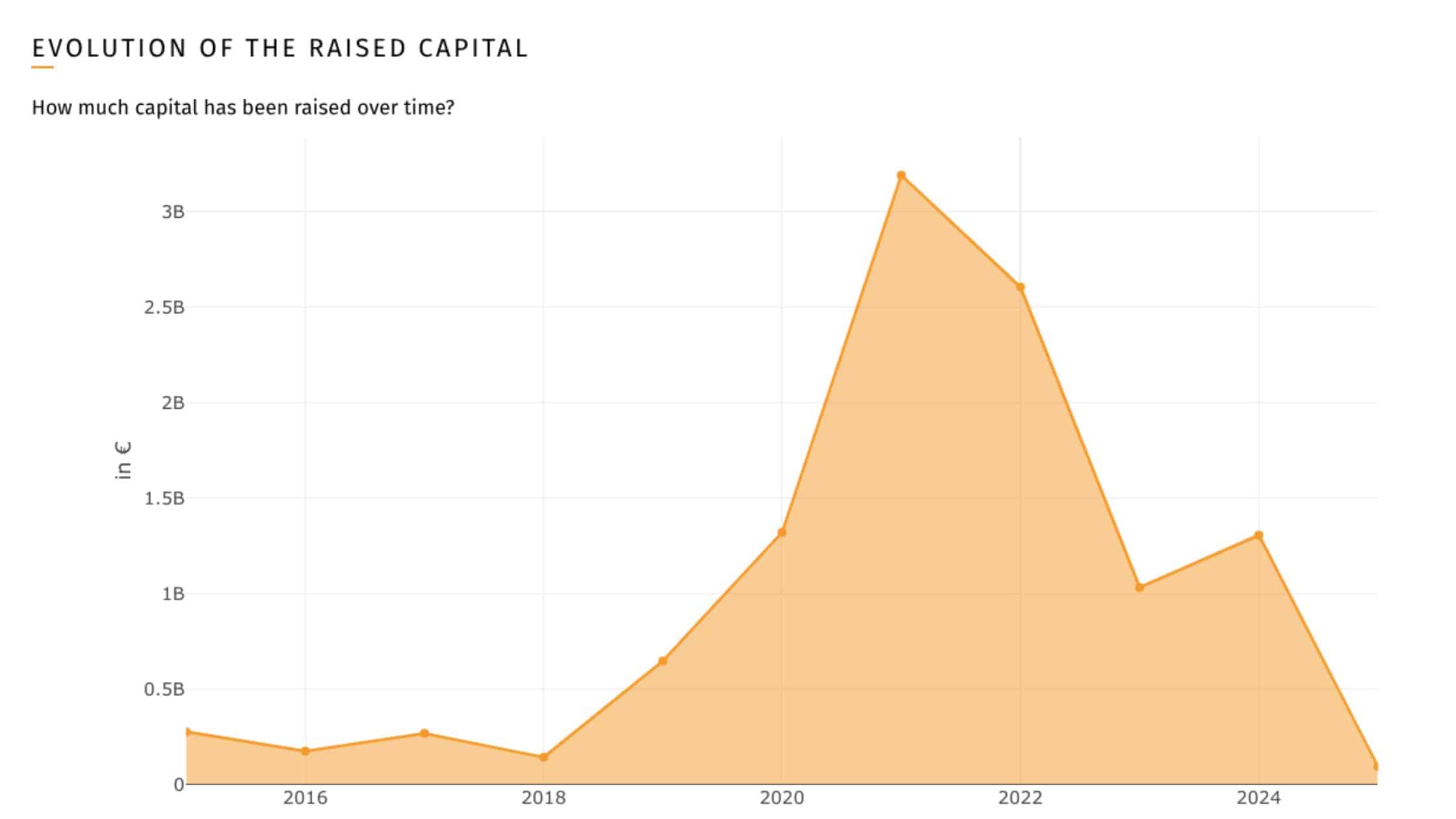
Source: FoodTech Data Navigator
Navigating Regulations, Winning Over Consumers
Globally, regulatory frameworks are designed to ensure food safety, protect public health, and foster innovation, but they vary significantly in scope, stringency, and procedural requirements. In the EU, the regulation of novel foods produced by new production methods and technologies is governed primarily by the Novel Foods Regulation, and is regulated as genetically modified food and feed if genetic engineering was used.
Below is a comparative summary of regulatory timelines and approval pathways, revealing significant regional differences:
| Region | Regulatory Authority | Approval Pathway | Typical Timeline |
Key Characteristics |
| European Union | European Commission, EFSA | Centralized, science-based | 18 months to 3 years | Rigorous, transparent, precautionary |
| United Kingdom | Food Standards Agency (FSA) | Clear, innovation-friendly | aims for faster approvals (2 years) than the EU | Developing a hybrid regulatory framework, streamlined approvals |
| United States | FDA, USDA, EPA | Flexible, risk-based (GRAS, joint FDA-USDA for cell-cultured meat) | Variable (months to 2 years) | Industry-driven, adaptable, less centralized |
| Asia-Pacific (Singapore) | SFA (Singapore) | Clear, innovation-friendly | Months to 1 year | Proactive, supportive of novel foods |
| Latin America | National agencies | Diverse, evolving | Variable | Mix of EU/U.S. elements, local adaptations |
Consumer attitudes toward biotech-derived foods are complex and multifaceted, influenced by perceptions of risk and benefit, ethical and environmental considerations, and personal factors such as demographics and food neophobia. Despite the potential of innovative biotech applications to food, consumers often exhibit food technology neophobia (FTN), a reluctance towards novel food production methods and a preference for minimally processed, “natural” products.
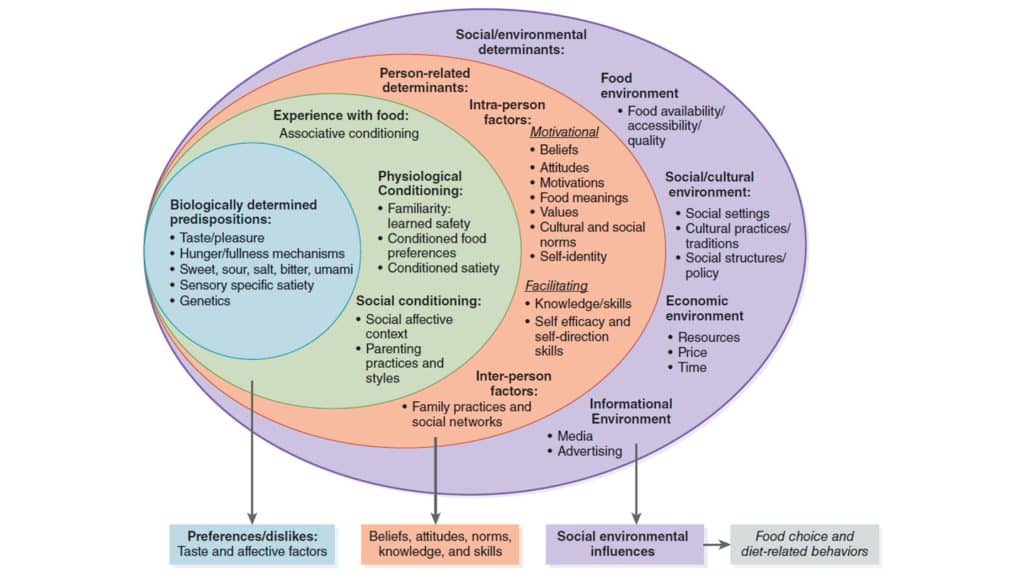
Factors influencing food choices and diet-related behaviors. Source: Günden et.al
This aversion can hinder the adoption of these technologies and contribute to their high failure rates in the food market. In terms of demographics, younger, more educated, and environmentally conscious consumers are generally more open to novel foods, while older individuals and those with higher levels of food neophobia tend to be more skeptical. These results are consistent with a previous study high acceptance for novel food consumer cluster was characterized by individuals who were more likely to be male, younger, university-educated, following a flexitarian diet, exhibiting lower food technology neophobia, and demonstrating a higher concern for the environment.
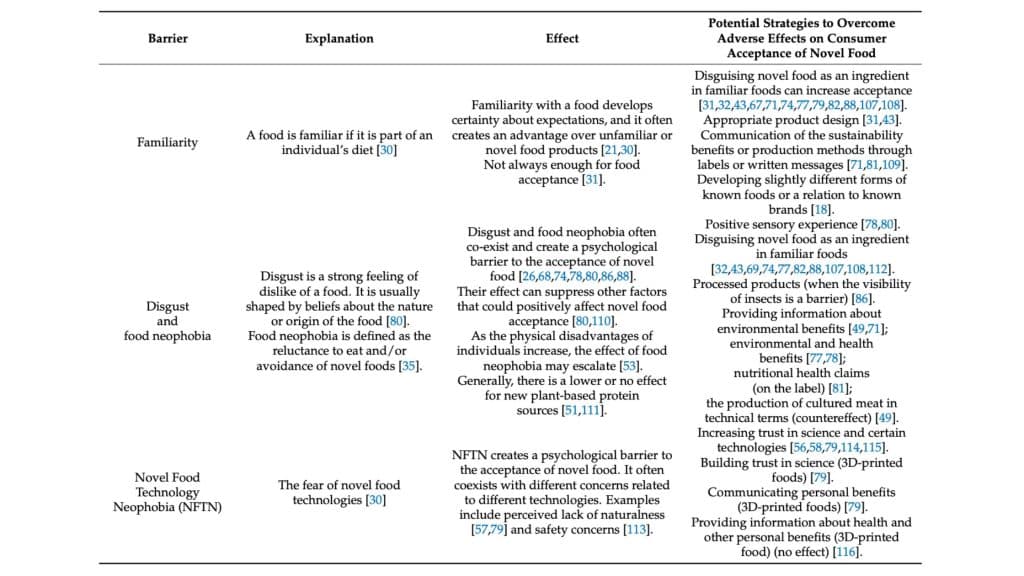
Major barriers to novel food acceptance and related strategies. Source: Günden et.al
According to a GFI survey spanning 15 European nations, consumer preference leans towards having the option to eat cultivated meat once it receives safety approval from EU regulators. Consumer responses in a study by the FSA showed that 16-41% of people are willing to consume cell-cultivated meat in the UK, but the perceived risks/concerns about cell-cultivated meat are more prevalent than perceived benefits. A survey by Hartman Group revealed that 41% of US adults are willing to try precision fermented foods.
Meanwhile, a recent study by Euroconsumers found that 43% of consumers are willing to try cultivated meat. However, 51% are skeptical of cultured meat due to perceived long-term health risks. Still, 38% are willing to include the novel protein in their diet if it’s proven to be healthier than its conventional counterpart.
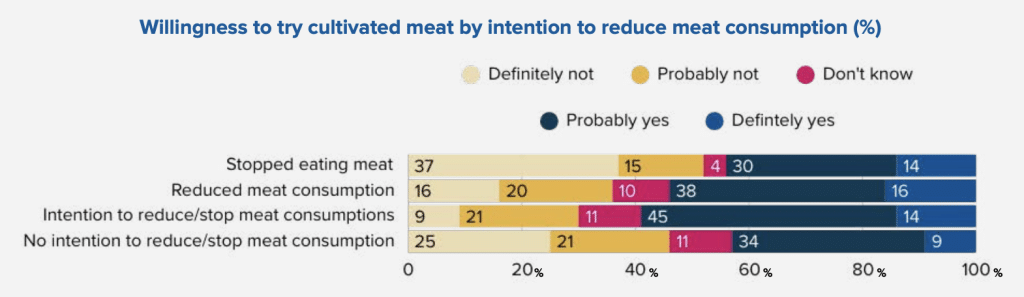
Source: Euroconsumers
Companies Leading the Biotech-Enabled Food Innovation – Selection from the 2024 FoodTech Finalists

Cellular Agriculture (33 companies)
Accellta (#429 in the 2024 FoodTech 500 | Haifa, Israel) | Revolutionizes stem cell cultivation with proprietary 3D suspension platform technology for cultured food industries.
Bene Meat Technologies (#416 in the 2024 FoodTech 500 | Prague, Czech Republic) | Develops technology for cultivated meat production without killing animals or harming the planet.
Biftek (#222 in the 2024 FoodTech 500 | Newark, United States) | Produces growth medium supplements to make cultured meat affordable.
Biobetter (#280 in the 2024 FoodTech 500 | Tel-Hai, Israel) | Utilizes plant-based platforms to produce cost-effective, high-quality growth factors essential for the cultured meat industry.
BlueNalu (#48 in the 2024 FoodTech 500 | San Diego, United States) | Specializes in cell-cultivated seafood, producing sustainable and high-quality products to support ocean health and meet global seafood demand.
Bluu Seafood (#382 in the 2024 FoodTech 500 | Hamburg, Germany) | Grows fish cells in fermenters to produce fish fingers and other seafood products.
Cellular Agriculture Ltd. (#452 in the 2024 FoodTech 500 | Pontnewydd, Llanelli, United Kingdom) | Revolutionizes cultivated protein production through innovative bioreactor and bioprocess technologies.
Cellmeat (#61 in the 2024 FoodTech 500 | Seoul, South Korea) |Creates a sustainable future through cell-cultured food technology.
Cellva (#135 in the 2024 FoodTech 500 | Sao Paulo, Brazil) | Develops innovative biotech solutions for food and nutrition, focusing on microencapsulation and cultivated fatty acids.
Cellivate Technologies (#262 in the 2024 FoodTech 500 | Singapore, Singapore) | Pioneers innovative, animal-free cell-based solutions for the pharmaceutical, agri-tech, and cosmeceutical industries.
ClearMeat (#294 in the 2024 FoodTech 500 | Noida, India) | Produces and sells cultivated meat and its ingredients globally.
E-FISHient Protein (#479 in the 2024 FoodTech 500 | Petah Tiqva, Israel) |Accelerates sustainable white fish meat production through nutritious, delicious, and ethical solutions.
Ever After Foods (#277 in the 2024 FoodTech 500 | Haifa, Israel) | Solves the scalability problem to make cultured meat a viable alternative for global food security.
Forsea Foods (#150 in the 2024 FoodTech 500 | Rehovot, Israel) | Develops breakthrough technology to produce cultivated fish and seafood at price parity.
GALY (#54 in the 2024 FoodTech 500 | Boston, United States) | Pioneers revolutionary agriculture through cellular technology.
GOURMEY (#22 in the 2024 FoodTech 500 | Paris, France) | Leads as a global frontrunner in premium cultivated meat, aiming to accelerate the world’s transition toward ethical, sustainable, and healthy meat.
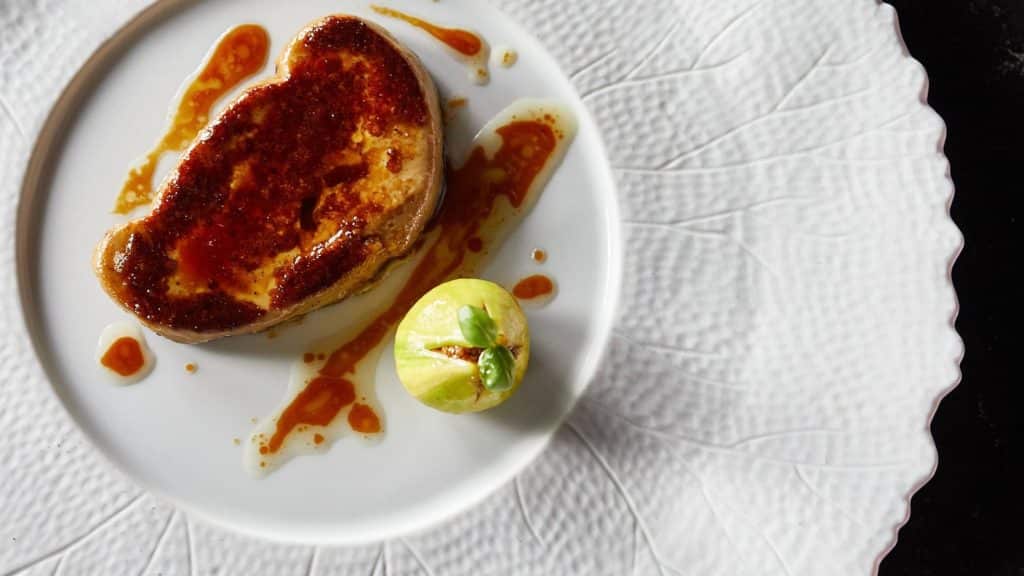
Source: Gourmey
Hoxton Farms (#179 in the 2024 FoodTech 500 | London, United Kingdom) | Grows real animal fat without animals using cell biology and mathematical modeling.
Ivy Farm Technologies (#206 in the 2024 FoodTech 500 | Oxford, United Kingdom) | Uses novel technology from the University of Oxford to grow real meat without antibiotics.
Mewery (#180 in the 2024 FoodTech 500 | Brno, Czech Republic) | Develops cell-cultivated meat products using a proprietary method of co-culturing animal and microalgae cells.
Multus (#196 in the 2024 FoodTech 500 | London, United Kingdom) | Enables cultivated meat companies to scale affordably and profitably by providing growth media solutions.
Opalia (#435 in the 2024 FoodTech 500 | Montreal, Canada) | Creates revolutionary technology to produce cell-cultured dairy.
Opo Bio (#447 in the 2024 FoodTech 500 | Auckland, New Zealand) | Develops enabling technology for novel biomanufacturing applications, including cultivated meat.
Pluri (#103 in the 2024 FoodTech 500 | Haifa, Israel) | Provides cell expansion solutions at scale for multiple sectors.
Re-Meat (#455 in the 2024 FoodTech 500 | Malmö, Sweden) | Enables turnkey solutions to catalyze the production of sustainable, affordable, high-quality cultivated meat protein.
Roslin Technologies (#171 in the 2024 FoodTech 500 | Edinburgh, United Kingdom) | Provides advanced cell-based solutions to cultivated meat producers.
Senara (#443 in the 2024 FoodTech 500 | Freiburg im Breisgau, Germany) | Develops continuous, high-throughput processes and bioreactors to produce sustainable, bioidentical milk from dairy animal mammary cells.
Simple Planet (#143 in the 2024 FoodTech 500 | Seoul, South Korea) | Revolutionizes meat production by growing it directly from animal cells.
Steakholder Foods (#248 in the 2024 FoodTech 500 | Rehovot, Israel) | Creates a new frontier in protein manufacturing through 3D printing technology.
Umami Bioworks (#55 in the 2024 FoodTech 500 | Singapore, Singapore) | Develops a platform for the scalable production of cultivated seafood, aimed at preserving endangered species.
UnReal Milk/ Brown Foods (#225 in the 2024 FoodTech 500 | Boston, United States) | Produces “real cow’s milk” without cows in a laboratory.
Upstream Foods (#404 in the 2024 FoodTech 500 | Wageningen, The Netherlands) | Grows the most valuable and delicious part of fish – the fat – directly from cells as flavor and health ingredients.
UPSIDE Foods (#10 in the 2024 FoodTech 500 | Berkeley, United States) | Specializes in developing meat produced directly from animal cells, eliminating the need to raise and slaughter animals.
Vow (#38 in the 2024 FoodTech 500 | Sydney, Australia) | Creates cultured meat products that meat-eaters choose selfishly.
Biotech/ Synthetisation (25 companies)
Amai Proteins (#69 in the 2024 FoodTech 500 | Rehovot, Israel) | Launches sweelin, the first computationally-designed serendipity berry hyper-sweet protein.
APEXzymes Related Posts



GET IN TOUCH
If you have any questions or suggestions, we’d love to hear from you!

Forward Fooding is the world’s first collaborative platform fostering innovation via FoodTech data intelligence & corporate-startup collaboration.
About
Resources
Company
Copyright ⓒ 2026 – All rights reserved. Forward Fooding Ltd
Made with 🫶 for Advancing the Food System.
