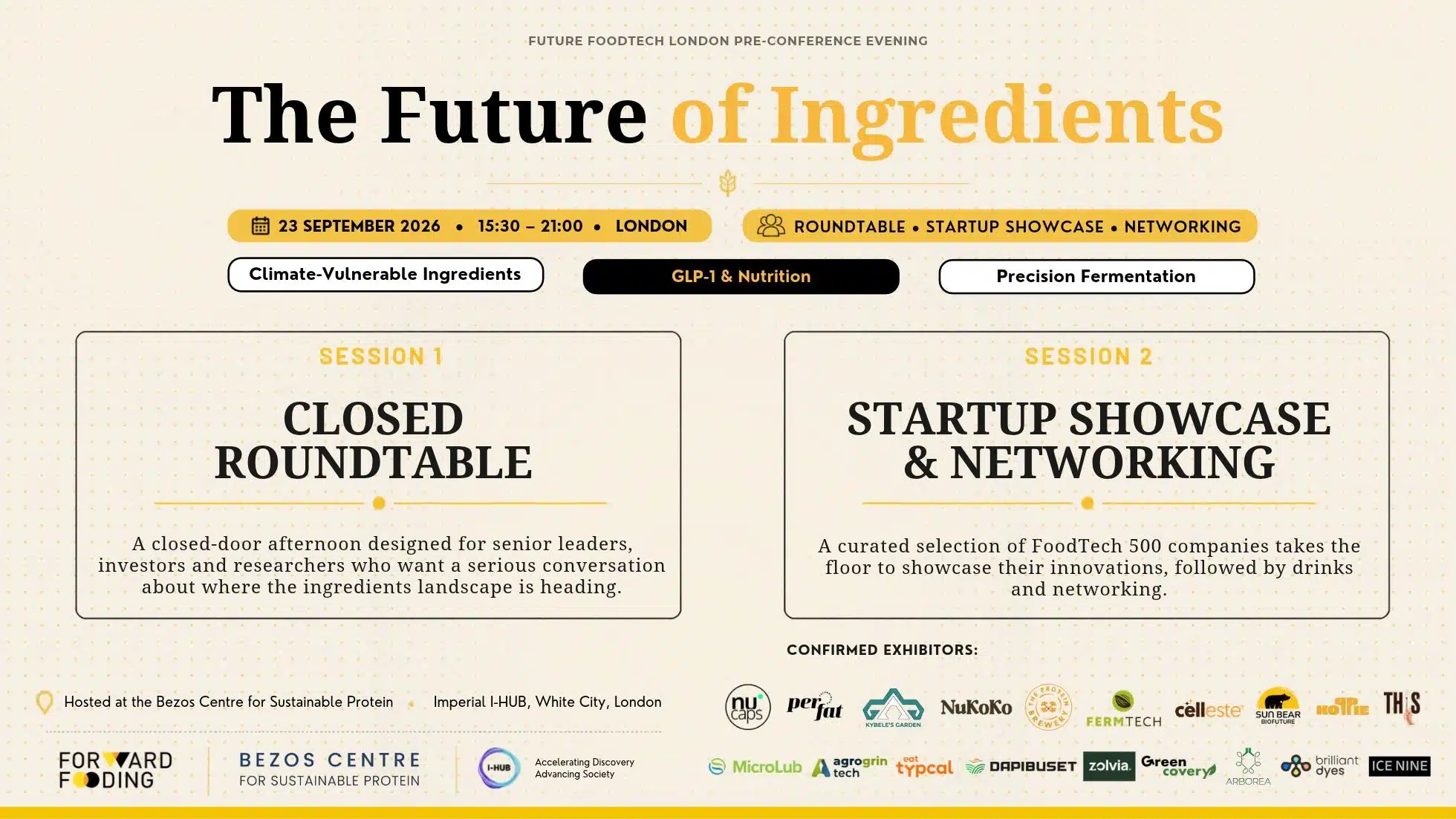
On 23 September 2026, the evening before Future Food-Tech London opened its doors, we hosted a session on the future of ingredients at the Bezos Centre for Sustainable Protein, inside Imperial’s I-HUB in White City.
The afternoon was a closed-door roundtable with three panels around the ingredients theme. Nine speakers from F&B corporates, investors, researchers and FoodTech founders shared their insights. We kept the numbers deliberately small with 40 participants, so people could discuss meaningfully instead of sitting through slides. Then the doors opened to the rest of the attendees for the FoodTech 500 Startup Showcase and networking, with 19 companies on the floor. We welcomed 150+ attendees, including startup founders, senior leaders, and investors from Maia Ventures, Buhler Group, Enterprise Ireland, Siemens AG, SOSV, Cargill, and Nestle.
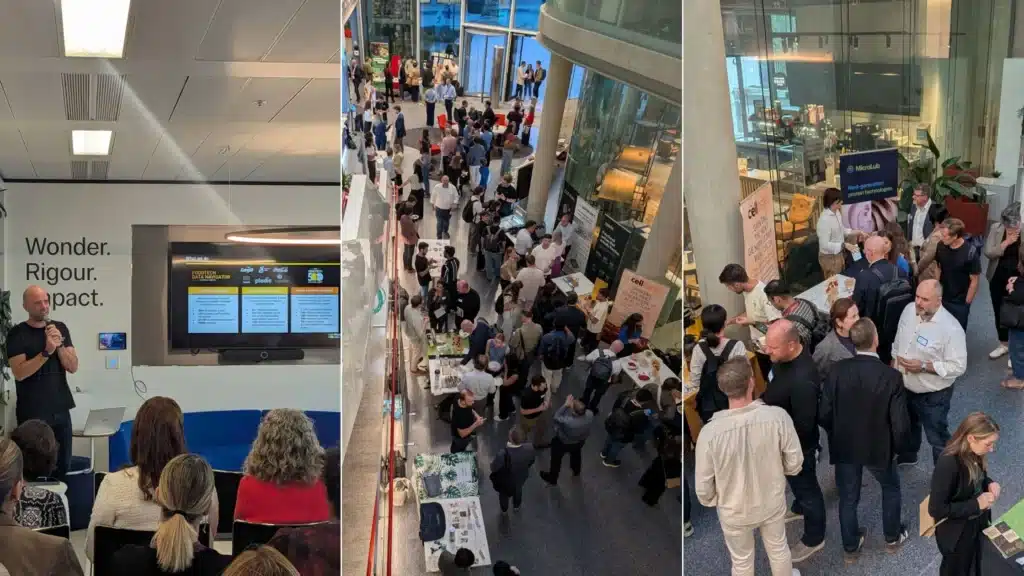
The setting also fit the theme. The afternoon opened with our hosts, the Bezos Centre for Sustainable Protein and the UKRI-funded Microbial Food Hub, which together bring 180+ researchers, 60+ active research projects, and £80M+ in funding to connect science with industry. The Bezos Centre’s labs formally opened in May 2026 as the European hub of the Bezos Earth Fund’s Future of Food programme. Alessio then gave a short briefing on the state of the global FoodTech ecosystem, drawing from the FoodTech Data Navigator. Cocoa showed why ingredients are now in the spotlight, with prices up 336% over 24 months and 30+ alternative cocoa companies raising $250M. Our lessons from a decade of FoodTech were simple: food isn’t code, working with existing systems beats trying to disrupt them, and B2B collaborations have outperformed direct-to-consumer plays. Guests ended the afternoon with a tour of the labs after the closed-door roundtables.

What makes a new ingredient worth betting on?
There’s one clear message from their room: the pressure on ingredients is really high. Snack makers are reformulating to meet new nutrition targets and even policies that affect their supply chains. Consumers want labels they know or at least understand. As people on GLP-1 eat less, they expect more from what they consume. Much of the conversation is no longer only about healthier finished products but also the ingredients inside them. Climate is squeezing the supply of the ingredients people love most. Cocoa futures hit record highs in late 2024, fell to a low in April 2026, then climbed more than 130% by early September.
As beautifully summarized by one of the attendees, Miyako Fukumoto, a food innovation consultant, her test for a good ingredient has five parts:
- Nutritious: adding something like fiber or protein, not just taking something away
- Sustainable: less land, fewer inputs, or a second life for valorized products
- Drop-in: works in existing recipes and on existing lines
- Cost competitive: comparable price with existing ingredients or on a clear path to price parity
- Fast to market: ideally no novel food approval needed
Roundtable 1: Climate-Vulnerable Ingredients & the Race to Reformulate
Cocoa has become the industry’s case study in what weather, disease and speculation can do to a single crop. Big chocolate makers responded by making bars smaller and using less cocoa. But cocoa is not alone. The panel was asked which crop is next. Coffee is a good example of why falling prices don’t mean the risk has gone. Arabica futures eased through 2026 on a record Brazilian harvest, yet ICE arabica stocks hit a 27-year low in early September, and El Niño is putting Brazil’s 2027 crop under the microscope. Palm oil, which shows up in roughly half of all packaged consumer goods, has its own supply and regulatory pressures, as we covered in our Novel Ingredients Series, The Fat Problem. Vanilla and sugar were also on the table.
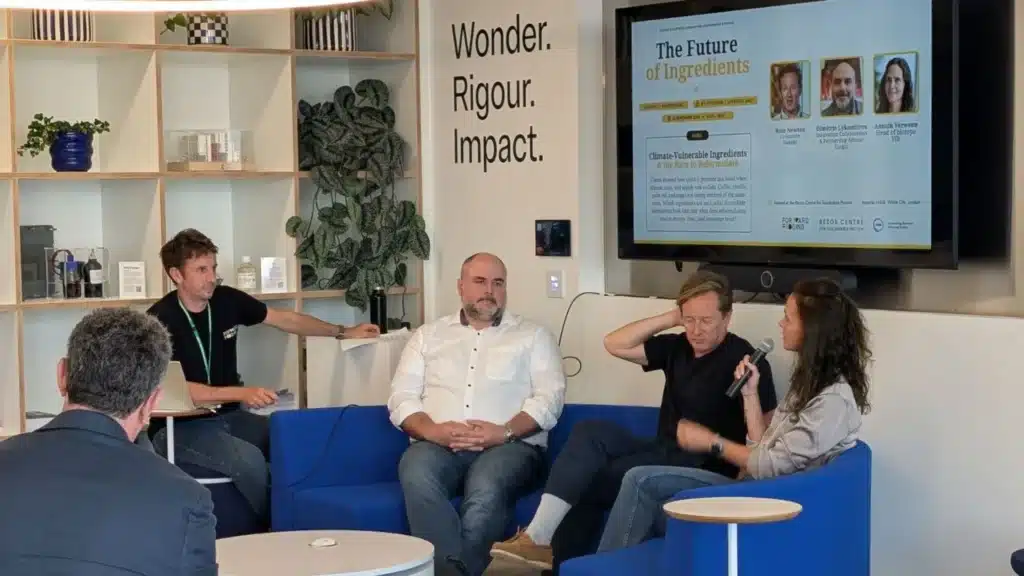
We were joined for the first roundtable by Ross Newton (Nukoko), Dimitris Lykomitros (Cargill), and Annick Verween (Biotope by VIB). The line-up gave us three different ways to build a cocoa alternative business.
Nukoko makes a chocolate alternative from fava beans. Döhler first invested through Döhler Ventures in 2024 and acquired the company outright in June 2026, with customer samples planned from August. Fava beans are a nitrogen-fixing crop grown in Europe, so the supply story is as much a selling point as the taste. A second line to draw runs between replacing cocoa and making the same cocoa molecules differently. Celleste Bio, which grows cocoa from cacao cells and exhibited in Session 2, brought that question into the room.
Cargill took the partnership route. Its NextCoa range, developed with Voyage Foods, won a Gold 2026 Edison Award and is now rolling out in North America. Voyage, a FoodTech 500 alumnus, has since moved into beanless coffee too.
Biotope by VIB invests at the earliest stage. It has backed European startups across food, agriculture and materials, and its June 2026 position paper argues that biotech earns its keep by building new production pathways rather than tweaking old ones
Roundtable 2: Ingredients for the GLP-1 Era
GLP-1 therapies are changing how people buy and eat. Smaller portions. More selective choices. Higher expectations from every bite. At the same time, the line between food and health keeps blurring, and brands are under pressure to back up claims on gut health, metabolic health and healthy ageing. For formulators, the catch is sensory. Packing in more protein can make a product thicker, grittier and more bitter, a point made at Future Food-Tech San Francisco this spring.
The FoodTech 500 is already picking this up. Two of last year’s debutants, PulseON Foods and Lembas, are building ingredients positioned specifically around GLP-1 responses.
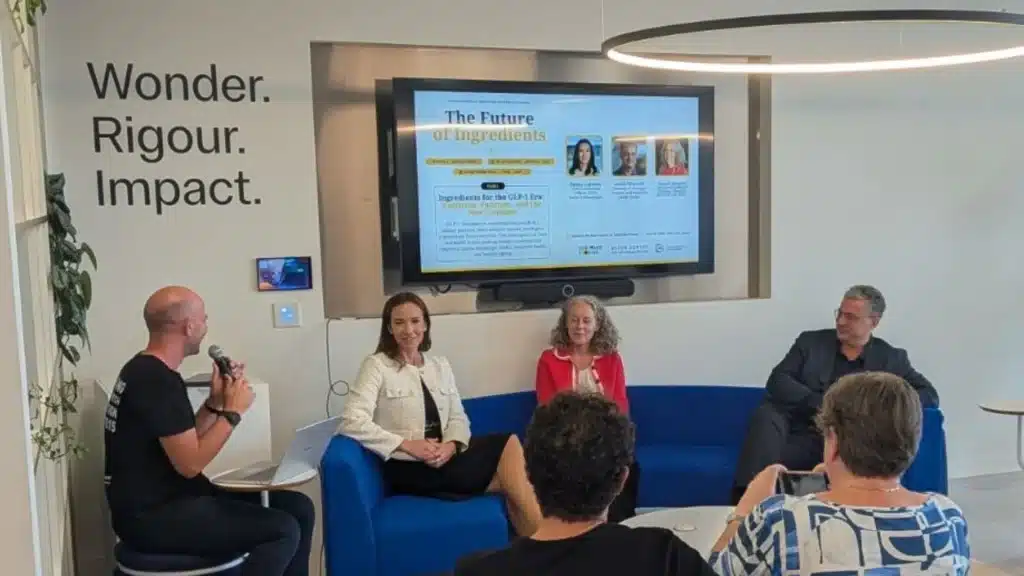
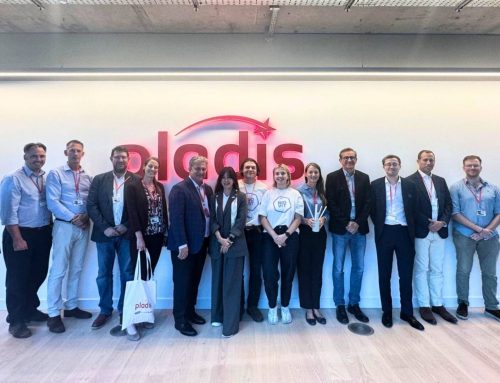
This panel put three parts of the supply chain at one table: an ingredient maker, a brand owner, and the scientists who test whether a health claim holds up. We were joined by Emma Laivisto (Perfat Technologies), Lucio Cicerelli (pladis Global), and Carole Bingley (RSSL)
The ingredient. Perfat’s first commercial product, Perfat Soft, is a sunflower-oil oleogel that replaces butter, palm and coconut oil. It packs 34g of fibre per 100g and more than 75% less saturated fat than butter or palm oil. It’s built from ingredients already approved for food, so it needs no EU novel food approval, and production is outsourced with over 1,000 tonnes a year of capacity. It ticks almost every box on our checklist.
The brand. pladis, the company behind McVitie’s, Godiva and Ülker, pledged in July 2026 to double the volume of products meeting its new nutrition framework by 2030, from roughly 10% of sales volume today. So far it has taken 676 tonnes of sugar out of UK recipes, and Ülker has removed 549 tonnes of fat. The challenge? People don’t buy biscuits for a nutrition lecture. They buy them because they enjoy them.
The science. RSSL sits at the point where a health claim either survives regulatory and consumer scrutiny, or doesn’t. As more launches chase “high protein” and “GLP-1 friendly” labels, the gap between the marketing and the evidence is where brands get into trouble.
Roundtable 3: Precision fermentation: from story to adoption
Precision fermentation has had a great story for years. The question now is when it becomes just another line on a spec sheet. Where do we really stand on unit economics, regulation, and investor appetite? And what has to happen next? The hard part, as always, is scale. Building a fermentation plant from scratch through pilot, demo, and commercial stages can cost upwards of $100M.
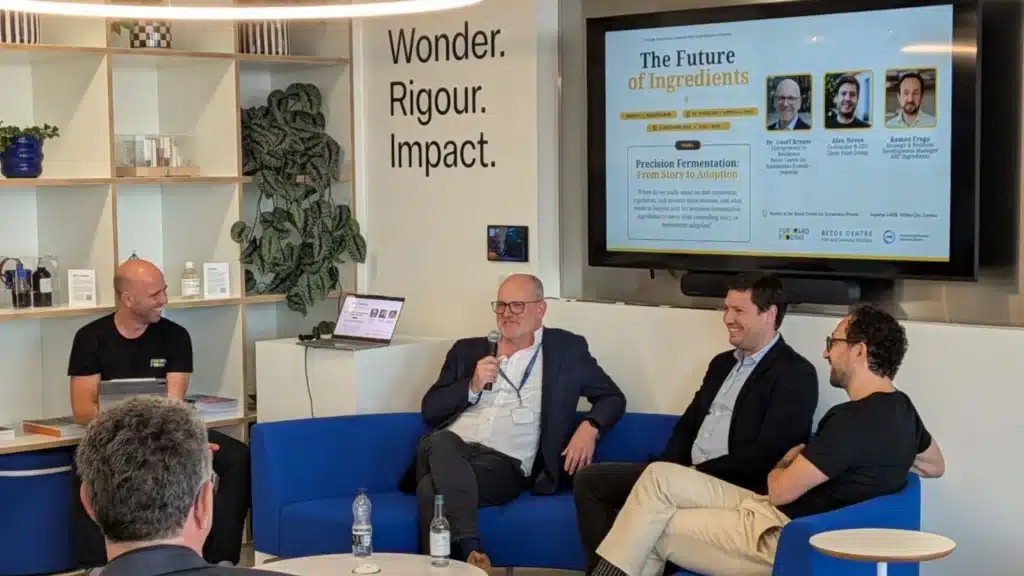
We were joined by our panelists, Alex Neves (Clean Food Group), Romeo Frega (ABF Ingredients), and Dr Geoff Bryant (Bezos Centre for Sustainable Protein), to discuss what it will take for fermentation to reach the mainstream.
Clean Food Group found a shortcut. It makes oils and fats from food waste using its own yeast strains, and in September 2025 it bought an existing one-million-litre fermentation site in Knowsley, Liverpool, which it describes as the world’s largest facility for yeast-derived oils. In April, CFG raised £4.5M, led by Clean Growth Fund and New Agrarian, with Döhler among its existing backers, plus a £700,000 Innovate UK grant. Yes, that’s the same Döhler that bought Nukoko. Where CFG announced that round is telling. It chose in-cosmetics Global in Paris, and its CleanOil launched for beauty and personal care before food. When the food approval pathway is slow, a faster adjacent market can pay for the journey.
ABF Ingredients shows the corporate side of the capacity question. Its Eau Claire, Wisconsin site starts with an investment of over $65M for Ohly’s yeast-based ingredients, with the full multi-phase project valued at around $270M by the city. That’s conventional fermentation, not precision fermentation, but the site is designed for future ABFI growth. ABFI also owns AB Enzymes, which sits closer to precision fermentation proper.
The Bezos Centre is trying to shorten the whole process. Its new Sustainable Food Accelerator with Undaunted offers up to £100,000 in equity-free funding over 12 months, built around challenge briefs from Cargill, Danone, Kerry and Mars.
Session 2: The FoodTech 500 Startup Showcase
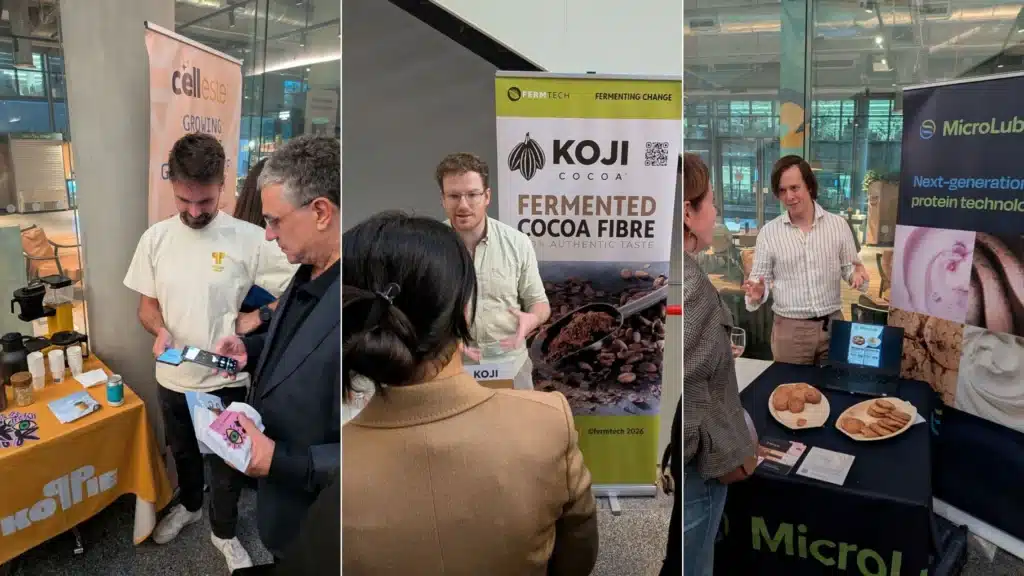
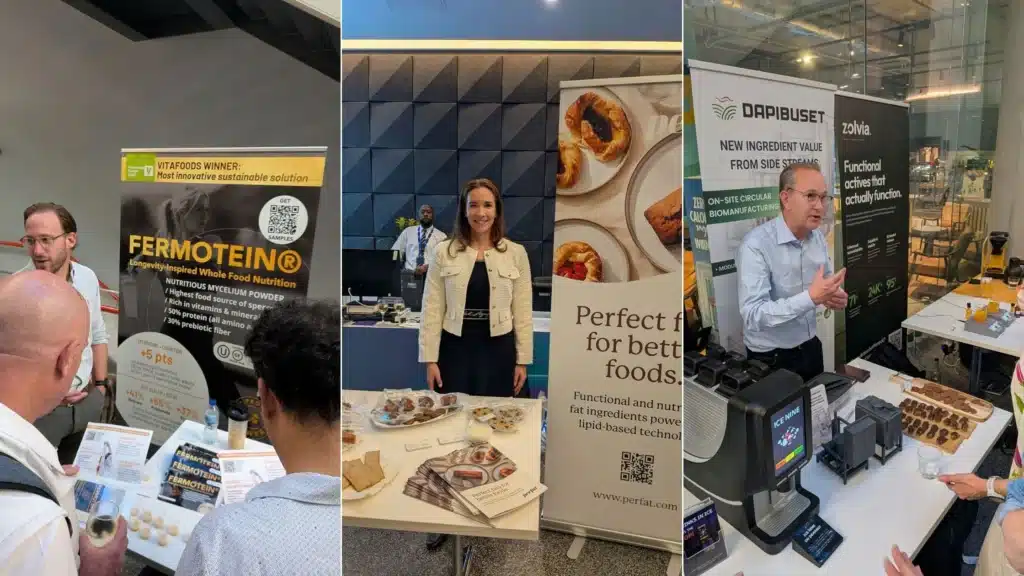
If the roundtables asked what the future of ingredients looks like, the showcase floor answered it. A curated group of FoodTech 500 companies brought their ingredients to London, and many of them already meet several points from the checklist.
- Fermtech ferments discarded cocoa shells with koji into a high-fibre cocoa powder, and raised a £2.5M seed round this spring
- Typcal grows mycoprotein on brewery side streams in 21 hours, with its IP in the process to stay clear of novel food approval.
- Koppie ferments and roasts legumes into a caffeine-free coffee alternative with about 5% of your daily fibre per cup.
- The Protein Brewery makes Fermotein, the first EU-approved whole-food mycelium protein (more from our interview).
- Dapibuset builds on-site solid-state fermentation that turns food production side streams into protein
- AgroGrin Tech makes clean-label ingredients from upcycled fruit and vegetables.
- Sun Bear Biofuture ran its first production batch at a £25,000 pilot plant built from repurposed brewery and dairy equipment (FoodTech 500 Alumni News).
- Perfat brought Perfat Soft, its high-fibre fat alternative, from the GLP-1 roundtable to the floor.
- Nukoko showed its fava-bean chocolate alternative, now part of Döhler.
- Celleste Bio grows real cocoa from cacao cells.
- Greencovery raised €1M this month to scale fibre and extracts made from cocoa side streams, working towards 1,000 tonnes of capacity.
- Zolvia (formerly Biovit) makes functional ingredients easier for the body to absorb, and its z-curcumin showed up to 71× higher bioavailability than standard curcumin in an independent human trial
- Nucaps encapsulates probiotics and bioactives in food proteins to protect them from degradation and mask unpleasant tastes
- Arborea grows microalgae from CO₂ and sunlight on its BioSolar Leaf platform, and in May partnered with Vita Actives to bring its BioSolar Spirulina to market
- Kybele’s Garden uses algae bioponics and fermentation to make functional ingredients for food, farming and cosmetics (more from our interview).
- THIS, the UK plant-based meat brand behind THIS Isn’t Chicken.
- Microlub, a University of Leeds spin-out, turns whey protein and pectin into a powder that behaves like oil once rehydrated. It recently raised £7.5M to expand into the US and Asia
- Ice Nine makes bite-sized ice spheres with a liquid spirit centre that bursts after nine seconds
- Brilliant Dyes, an Imperial spin-out, extracts a natural algae pigment as an alternative to synthetic dyes and won the 2025 H&M Global Change Award
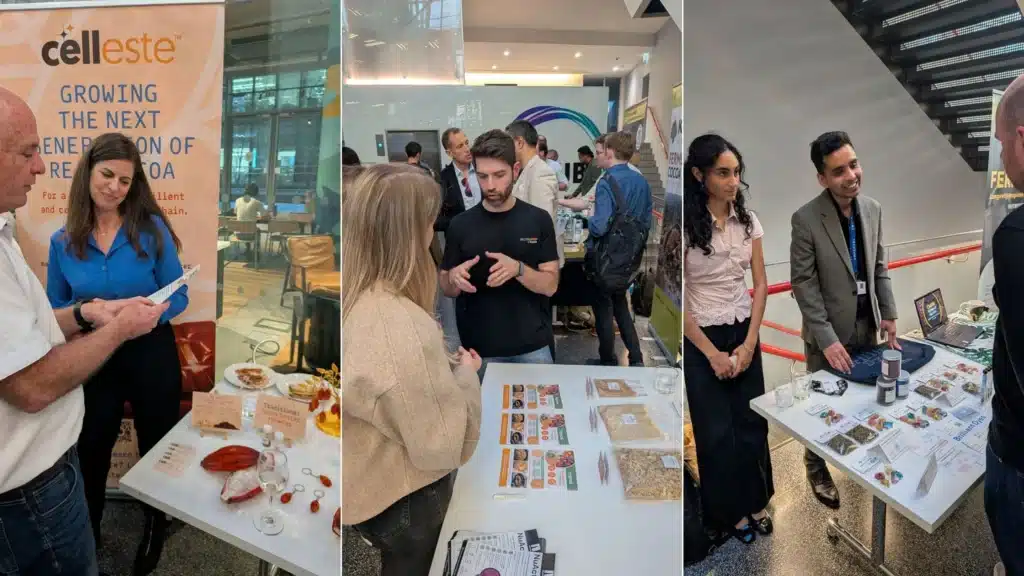
A huge thanks to our community
We run these evenings because the right people rarely end up at the same table by accident. Putting them in a small room, with no stage and no sales pitch, is the fastest way we know to get them talking, unfiltered.
A big thank you to the Bezos Centre for Sustainable Protein and Imperial’s I-HUB for hosting us, to our nine panelists for being so candid, to our FoodTech 500 exhibitors, and to everyone who came along.
See you at the next one!
Join the elite ranks of food innovation leaders. The FoodTech 500 represents the most innovative entrepreneurs reshaping our food system through technology and sustainable solutions. This is your moment to stand among the industry’s game-changers. Applications are now open! Secure your spot in the most prestigious list in AgriFoodTech.
For Startups: Apply Here (Deadline: November 15, 2026)
For Partnerships (Corporates, Organizations, Media): Register Your Interest Here
Forward Fooding is the world’s first collaborative platform for the Food & Beverage industry via FoodTech Data Intelligence and Corporate-Startup Collaboration. Learn more about our Consultancy and Scouting Services and our Startup Network.