Food waste and hunger are two sides of the same problem. The gap between available food and the people who need it is rarely about a lack of care. It is a coordination failure. Businesses have surplus while nonprofits have a need. But matching the right food to the right place at the right moment usually turns into a scramble of spreadsheets and phone calls.
Enter Careit. The food recovery management platform connects businesses with surplus food to the nonprofits and drivers who move it to communities that need it.
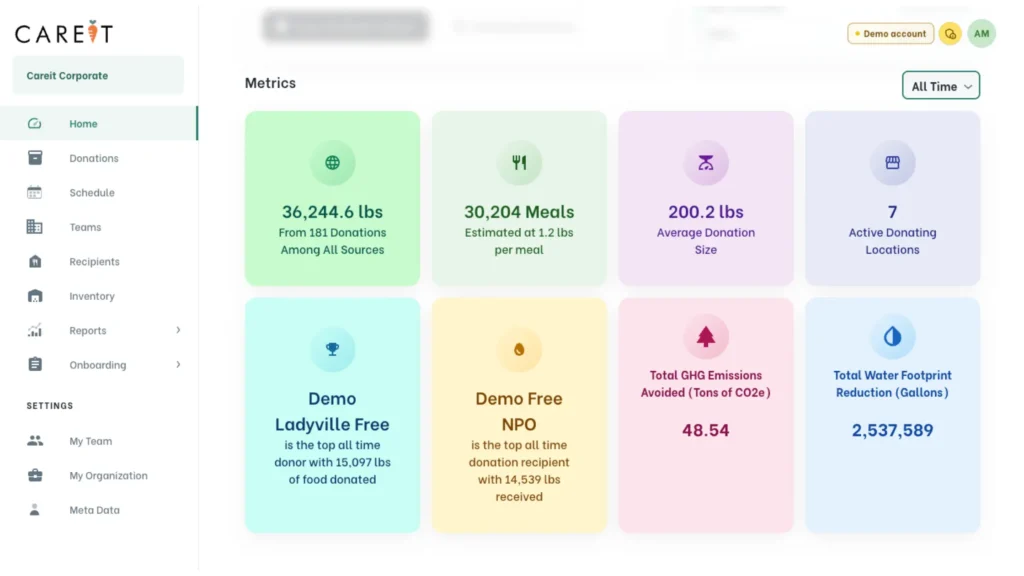
Stepping up to solve this unglamorous bottleneck, CEO and Co-Founder Alyson Schill built a network with a 95% match rate. One of its partners is Compass Group, the North American foodservice leader behind meals at hospitals, universities, venues, and Fortune 500 companies. Since 2023, Compass has donated over 1 million meals through Careit, and it’s on track for another 1 million in 2026 alone. It’s a clear example of how scale changes the math on food recovery.
This interview has been edited for clarity and concision.
Building a Two-Sided Network for Food Rescue
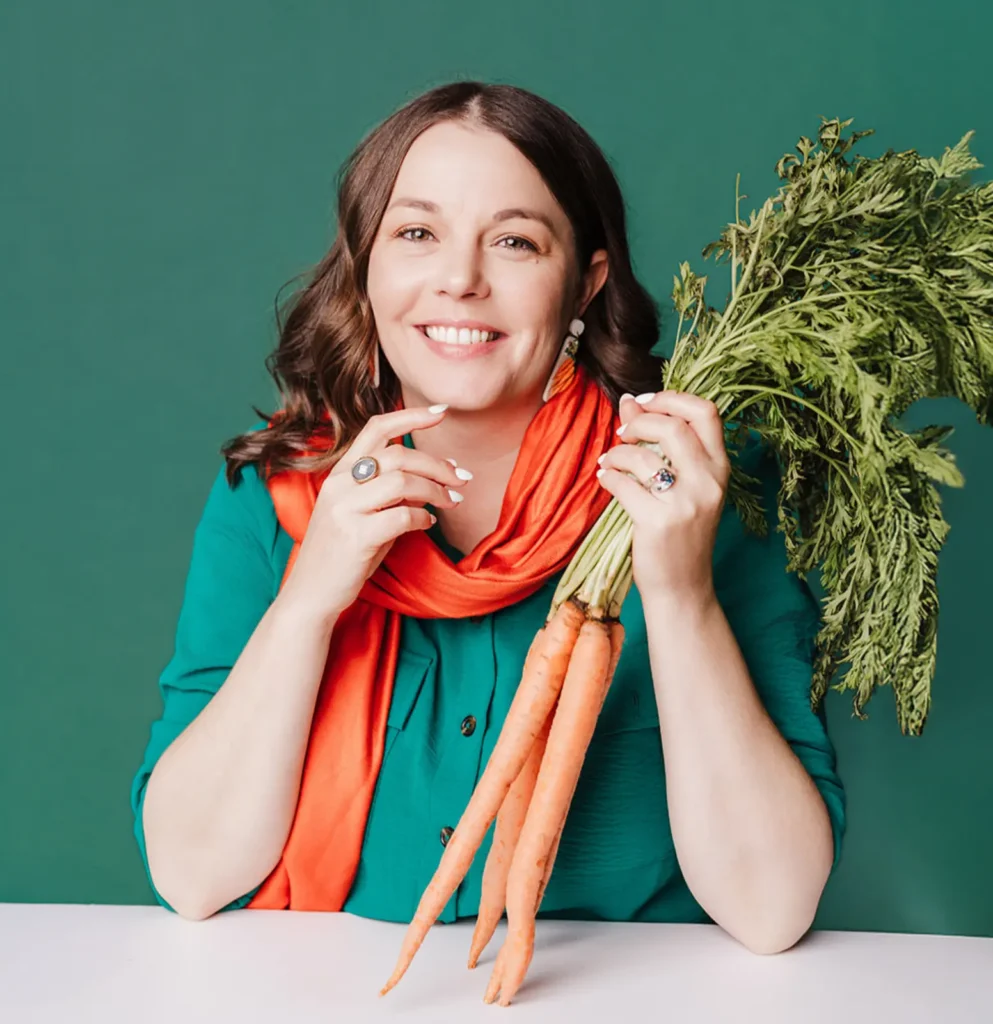 Careit CEO and Co-founder, Alyson Schill
Forward Fooding: Your founding story spans Hurricane Sandy’s coordination chaos and SB 1383’s mandates. Looking ahead, do emergencies or regulations pull harder on Careit’s next decade of growth?
Alyson Schill: We’re hoping for regulations, without question. SB 1383 is what made Careit take off in California, because businesses suddenly needed a way to donate and prove it. Every new food rescue regulation creates that same need somewhere else, so policy change is by far the bigger growth driver for food rescue.
Emergencies show what the network can do, and we’re proud of moments like the LA wildfire response. But we don’t build around crisis. We build for the everyday movement of food, and a network that runs well every day is the one that performs when a crisis hits.
Forward Fooding: Sprouts has donated 30 million pounds, and Clean Memphis has donated 250,000 pounds. Why does Careit get faster and more effective as it grows when most software gets harder to manage at scale?
Alyson Schill: Every partner we add makes Careit a more attractive place to secure donations, and active users come back for their next rescue after the first one. Most software strains under more users. A marketplace does the opposite. More participants means more options and faster matches for everyone.
Forward Fooding: What did California’s SB 1383 teach you about what new regions will need?
Alyson Schill: What SB 1383 taught us is that most regions rely on multiple government institutions to break down silos. Sanitation, Environment, Public Works, Health, Homelessness, WIC: all have a role in creating cohesion and public trust in a local food rescue system.
Forward Fooding: Careit started in California around SB 1383, but the same coordination problem exists everywhere, and you’re now growing government pilots and nonprofit onboarding in new regions. What is the growth engine in states and municipalities that lack equivalent food-waste mandates?
Alyson Schill: Three things. First, the case for the community itself. There’s food that can be rescued and people who need it, and we make the connection. Second, waste reduction. Organic waste is a real cost and management burden for cities, and rescue shrinks it. Third, it’s a low-effort solution that takes pressure off other social systems and the funding behind them. Even without a mandate, that math works for most municipalities.
Scaling Logistics Without Breaking the System
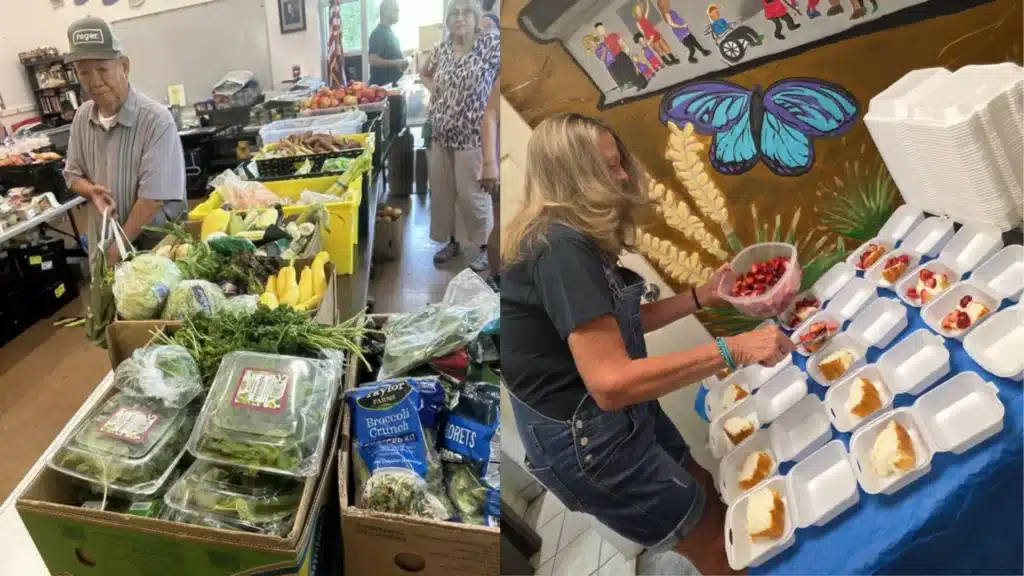
Careit in Action
Forward Fooding: Crossing 400 million pounds from 18,000 organizations within two years of national launch, where are the operational bottlenecks as you push toward 500 million?
Alyson Schill: The main bottleneck is balancing supply and demand across the marketplace. Food recovery only works when donors and nonprofits grow together in the same region, so we shift our resources based on where the need is. The second is partnerships. A lot of our growth depends on strong corporate relationships and consistent food donors.
Forward Fooding: You call the 95% match rate the real test of whether donations land. What operational levers move it most, and where does the remaining 5% break down?
Alyson Schill: The biggest lever is hands-on work from our team. We reach out to partners, help make matches, and teach organizations how to use Careit so they can keep donating and rescuing without us in the middle. Once a region learns the system, the match rate takes care of itself. The remaining 5% breaks down in two places: items nobody wants, and areas where we don’t yet have enough organizations on the network. Both have the same fix. Grow the network, and more food finds a home.
Forward Fooding: Onboarding another 1,000 nonprofits is your stated priority. How do you sequence which regions and organization types add the fastest marginal liquidity to the network?
Alyson Schill: Three things will guide this process. Legislation comes first, because compliance requirements bring organizations to the network. Corporate donors come second, because every new donor creates demand for nonprofits to receive that food, and we’re the natural matching point. And third, we look for high-need areas, such as high poverty rates and large, dense populations, where the network builds fastest, and the local impact shows up soonest.
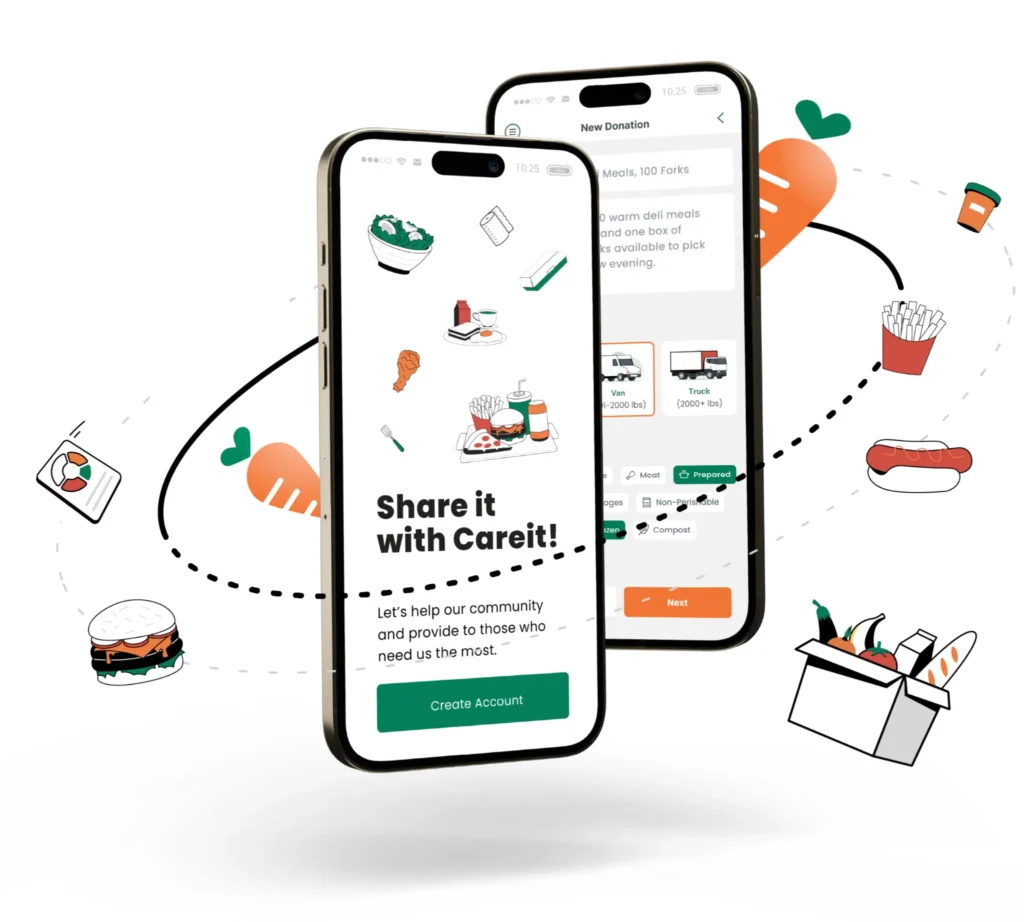
Careit mobile platform
Forward Fooding: Who are your closest competitors in food rescue software, and what structurally prevents a large logistics, ERP, or POS player from replicating your two-sided network?
Alyson Schill: Our closest competitor is, our dear friends, Food Donation Connection. Luckily, there is enough food that needs to be rescued for all of us to have an important role to play.
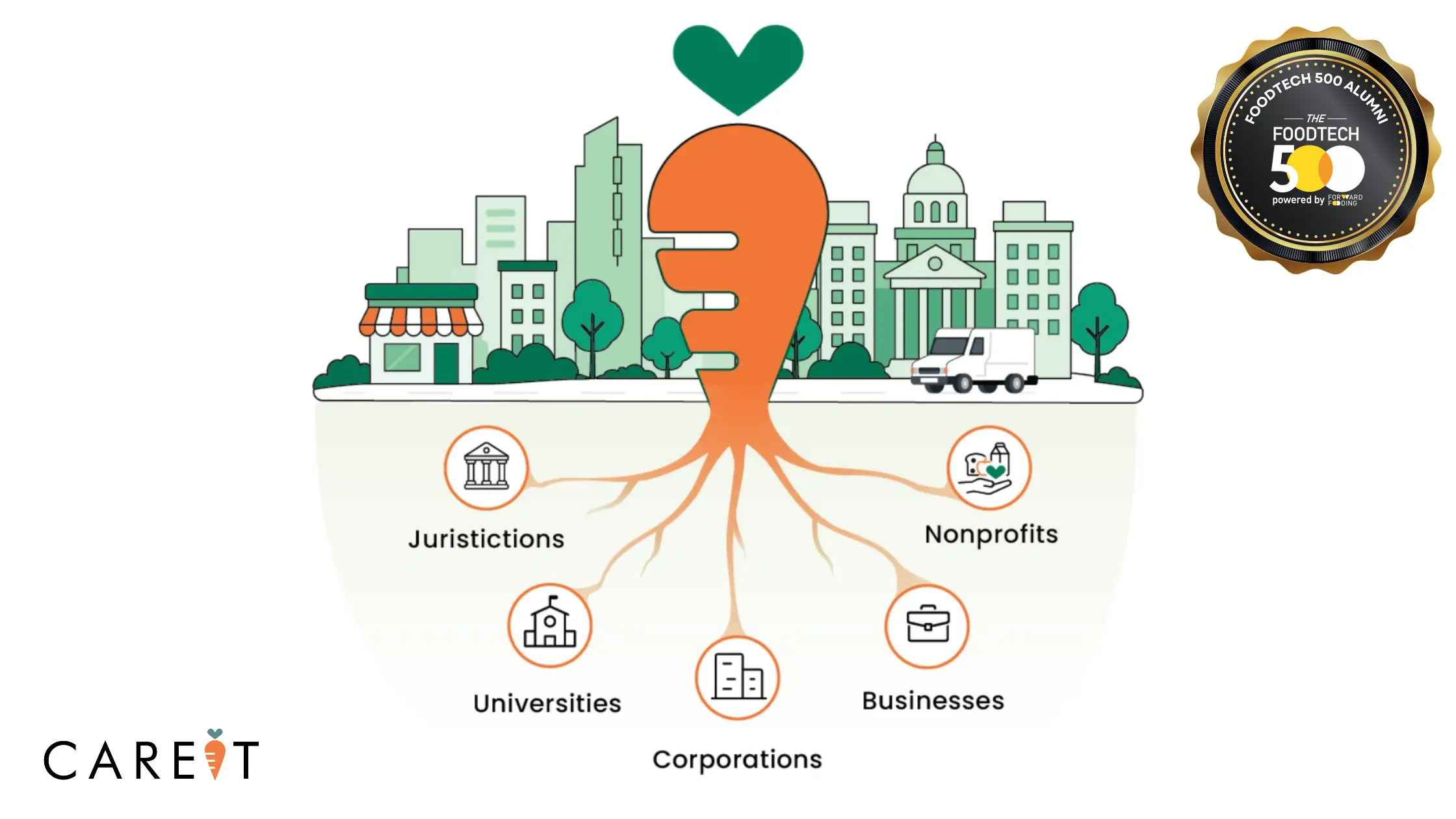
What sets Careit apart is the dashboard layer. Municipalities and counties can monitor an entire food rescue program, from donation to delivery, and corporations use the same structure to onboard stores and nonprofit partners and keep them compliant with their own policies, with legal protection built in.
The bigger barrier for a large logistics or ERP player is boots on the ground. Building a two-sided network of donors, nonprofits, and drivers at this scale can’t be shortcut with software alone.
Forward Fooding: How does a freemium model built around a free core app convert enterprise donors and municipalities into sustainable recurring revenue without compromising the openness of the network?
Alyson Schill: Feature gating. Anyone can post, claim, and rescue food for free, and that keeps the network open and food donations flowing. When an organization wants more, like automatic tax deduction assistance, inventory tracking, recurring donations, or coordinating a fleet of volunteers, that’s when they upgrade. The free tier also works as a low-stakes way to validate the platform before a larger rollout, which is often how our enterprise and municipal relationships start.
Enterprise Partnerships and the Future of Surplus
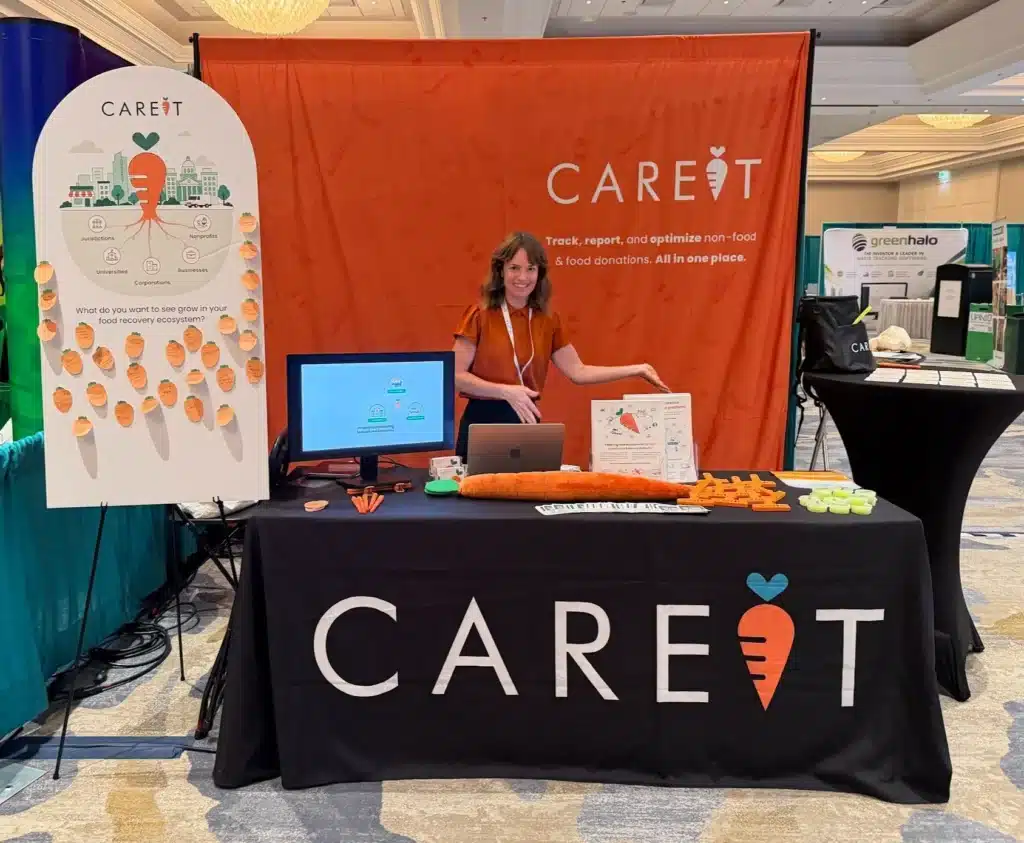
Courtesy: Careit
Forward Fooding: What does a partnership the size of Compass Group, 500 locations and over 1 million meals donated since 2023, unlock that onboarding restaurants one at a time could never achieve?
Alyson Schill: Sheer volume. An organization that size can make an impact across hundreds of locations at once. The corporate dashboard is what makes it manageable: full traceability and data across every location. And we back it with a team that handles specialized onboarding for large corporations, because adoption is what turns a commitment into meals.
Forward Fooding: Sprouts has tracked 30 million pounds donated to 216 nonprofits it chose itself. How does that donor-controlled model reshape your enterprise sales motion for other national grocers?
Alyson Schill: Sprouts proved the model works, and now we use it with other chains. The core idea is giving the organization control. Every retailer operates differently, so we let them decide how they want to carry out donations rather than forcing a structure on them. That lowers friction and speeds adoption. For enterprise sales, the pitch is simple: keep your relationships and your process, and we’ll handle the rest.
Forward Fooding: The Marketplace is Careit’s next channel for surplus, letting businesses list surplus food at a discount; anything that doesn’t sell converts into a donation through Careit. Will discounted sales cannibalize nonprofit donations?
Alyson Schill: Some, and we expect that. But the more a business participates in the Careit network, whether as a seller or a donor, the more likely they are to donate. We’re also making it very easy to convert a for-sale item into a donation, so nothing has to leave the system. Time-sensitive food like prepared meals will always be better suited to donation. The Marketplace is really for much larger batches a single nonprofit can’t rescue easily, giving those items a second life instead of a trip to the landfill.
It keeps food moving whether it sells or not, and it gives companies a reason to engage with surplus instead of writing it off.
Forward Fooding: After mobilizing 50,000 pounds of seafood to wildfire victims within days, can crisis-response food logistics become a repeatable product line or municipal contract for Careit?
Alyson Schill: Yes! The platform was originally built to scale based on need, and the wildfire response showed it works. Whether that becomes a formal municipal contract line is open, but the capability is already there. It’s the same network doing what it does every day, just faster.
Forward Fooding: Imagine it’s 10 years from now and your company has fully achieved its original vision. Describe the one headline you would be most proud to read about the impact your company has generated.
Alyson Schill: How a Food Recovery Network Cut the Gap Between Wasted and Rescued Food in Half.
Careit proves that scale is the advantage in food rescue. The work is not glamorous. It is a daily grind of making matches, handling logistics, and ensuring compliance. But by making redistribution simple enough to actually happen, Careit has kept more than 400 million pounds of food out of landfills and onto tables, and it is aiming for 500 million. That is the practical optimism the food system needs right now.
Every new donor, nonprofit, and driver makes the network more useful for everyone already on it. Start donating your surplus food for free today: https://my.careit.com/auth/register. Learn more about Careit at https://careit.com/
Forward Fooding is the world’s first collaborative platform for the Food & Beverage industry via FoodTech Data Intelligence and Corporate-Startup Collaboration. Learn more about our Consultancy and Scouting Services and our Startup Network.