Welcome to the Forward Fooding FoodTech 500 Sector Spotlight Series, where we go deep on each domain: the data, the technologies and the companies. Edition 02: Waste to Value, bringing together Food Waste Tech & Food Sharing Platforms and Upcycled Ingredients, Food Surplus & Waste Efficiency, two halves of the same circular food story.
Together, these two domains account for 57 finalists, 11.4% of the 2025 FoodTech 500, up 30% from 2024. Combined, they would be the second-largest area of the ranking and showed the sharpest growth among the top domains in our 2025 unveiling.
This fits our Wave 3.0 thesis: capital is shifting towards more circular, practical food-system solutions. Upcycled Ingredients, Food Surplus & Waste Efficiency grew from 1.3% to 2.5% of global AgriFoodTech funding between 2021 and 2024.
And the problem they are tackling is huge. The latest UNEP Food Waste Index estimates that 1.05 billion tonnes of food were wasted in 2022, equivalent to around 19% of all food available to consumers, while further losses happen earlier in the supply chain. Food loss and waste together are responsible for roughly 8 to 10% of global GHG emissions.
Waste to value by the numbers
Most of these companies are already making money. Of the 57 finalists, 91% generate revenue, compared with 80% across the full FoodTech 500 and 71% for Ag Biotech. Food Waste Tech is the more mature of the two domains, with 15% of companies at Series B or later and a median raise of around $5.8M. Upcycled is younger and leaner: just 7% are Series B or later, the median raise is about $2.8M, and 63% were founded since 2020. That maturity also shows up in the ranking. Winnow sits at #4 overall, and four companies from the two domains make the Top 50: Winnow, Hazel Technologies, REDUCED and Mori.
The 57 finalists span 25 countries, with Europe accounting for 60%. The US leads with 10 companies, followed by France (5), then Denmark, Spain and the Netherlands (4 each), with further representation from Kenya, Colombia, Brazil, Malaysia, Thailand and the UAE.
| Metric | Combined | Upcycled | Food Waste Tech | Whole list |
|---|---|---|---|---|
| Finalists | 57 (11.4%) | 30 (6%) | 27 (5.4%) | 500 |
| Rank among FDN domains | 2nd if combined | 7th | 9th | – |
| Countries | 25 | 19 | 14 | 53 |
| Early stage (pre-seed, seed, grant) | 25 (44%) | 18 (60%) | 7 (26%) | – |
| Late stage (Series B or later) | 6 (11%) | 2 (7%) | 4 (15%) | 13.6% |
| Revenue-generating | 52 (91%) | 27 (90%) | 25 (93%) | 80% |
| Female founder(s) | 26 (46%) | 17 (57%) | 9 (33%) | 38% |
| BAME founder(s) | 11 (19%) | 4 (13%) | 7 (26%) | 26% |
| Self-reported total funding | ~$691M | ~$264M | ~$428M | – |
The Waste to Value Map
The 57 finalists map neatly onto the standard food waste hierarchy: prevent → redistribute → upcycle → feed & materials → soil & energy. So where do the 57 finalists fall? To find out, we grouped them by technology tag in our Food Data Navigator. Most companies carry several tags, so we placed each one under the cluster that best describes its core technology.
- Prevent. These solutions try to stop waste before it happens.
- Redistribute. Getting edible surplus to people who will use it before it becomes waste.
- Upcycle into food. Turning side streams and by-products into new ingredients and products, the largest layer of the hierarchy.
- Feed, materials & soil. Recovering value from what can’t go back into food.
Below, the map is split by the two main domains, then by cluster. The split closely follows the two domains. Food Waste Tech leads prevention and redistribution, while Upcycled Ingredients leads transformation.
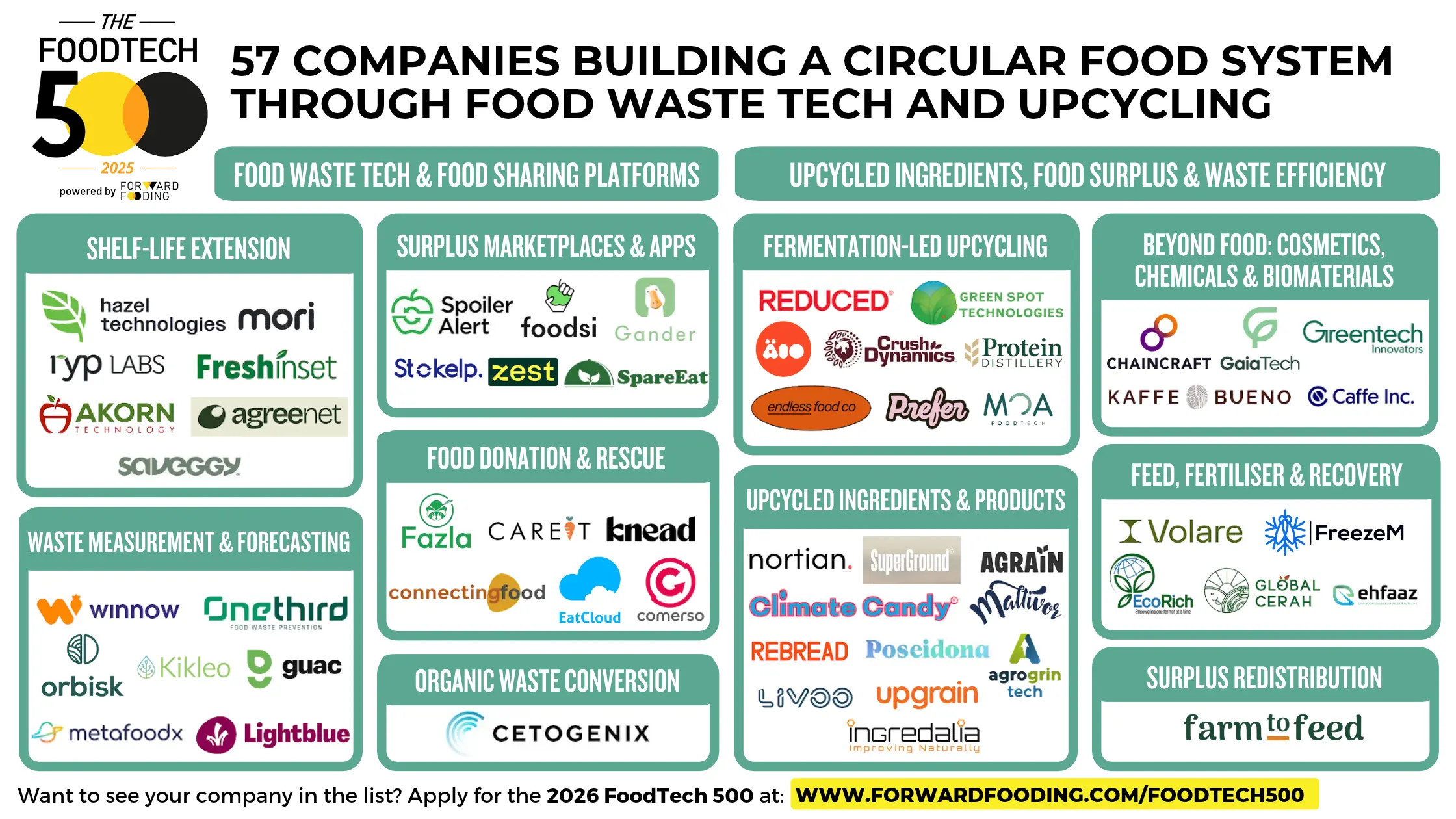
Food Waste Tech & Food Sharing Platforms (27 finalists)
Food Waste Tech works at the top of the hierarchy. Most of these companies prevent waste before it happens or move surplus to people who will use it.
Shelf-life extension (7 finalists)
These companies use coatings, sachets, stickers and active packaging to slow ripening and decay, so fresh produce stays sellable for longer. Hazel Technologies (#24) reports the largest funding total across both domains.
Hazel Technologies (#24 in the 2025 FoodTech 500) | United States | Develops storage and transport solutions that extend the shelf life of fresh produce.
Mori (#47 in the 2025 FoodTech 500) | United States | Uses a natural silk-protein coating to make food more resilient and longer-lasting.
Ryp Labs (#126 in the 2025 FoodTech 500) | United States | Develops StixFresh food-safe stickers to extend the shelf life of fresh produce.
Fresh Inset (#157 in the 2025 FoodTech 500) | Poland | Develops technology that extends the freshness of fresh produce and reduces post-harvest waste.
Akorn Technology (#180 in the 2025 FoodTech 500) | United States | Develops natural post-harvest coatings that extend produce shelf life and provide antifungal protection.
Saveggy (#250 in the 2025 FoodTech 500) | Sweden | Develops plant-based protection that extends produce shelf life while replacing plastic.
Agreenet (#363 in the 2025 FoodTech 500) | Italy | Develops biodegradable active-packaging sachets that extend the shelf life of fresh foods.
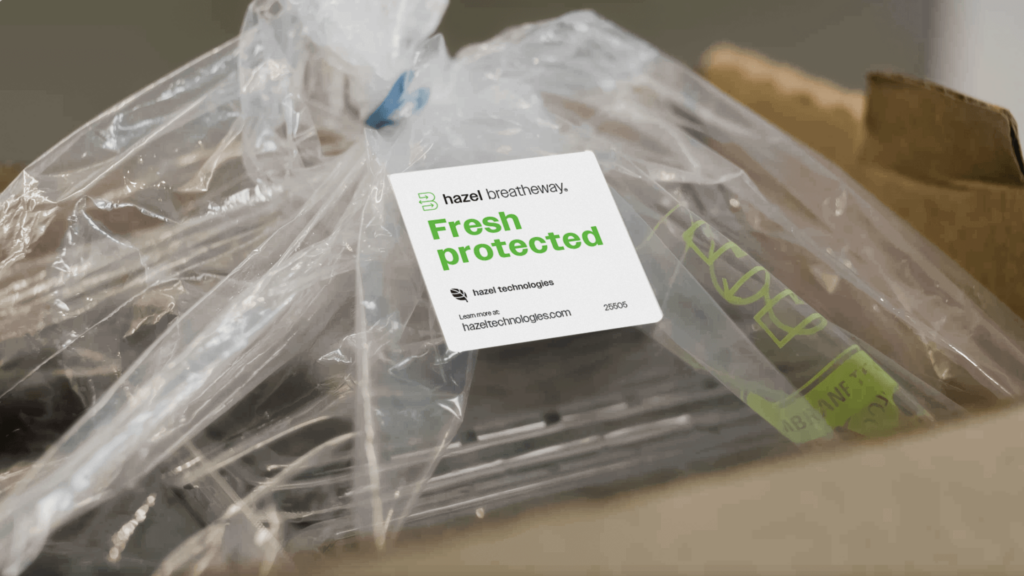 Courtesy: Hazel Technologies
Waste measurement & forecasting (7 finalists)
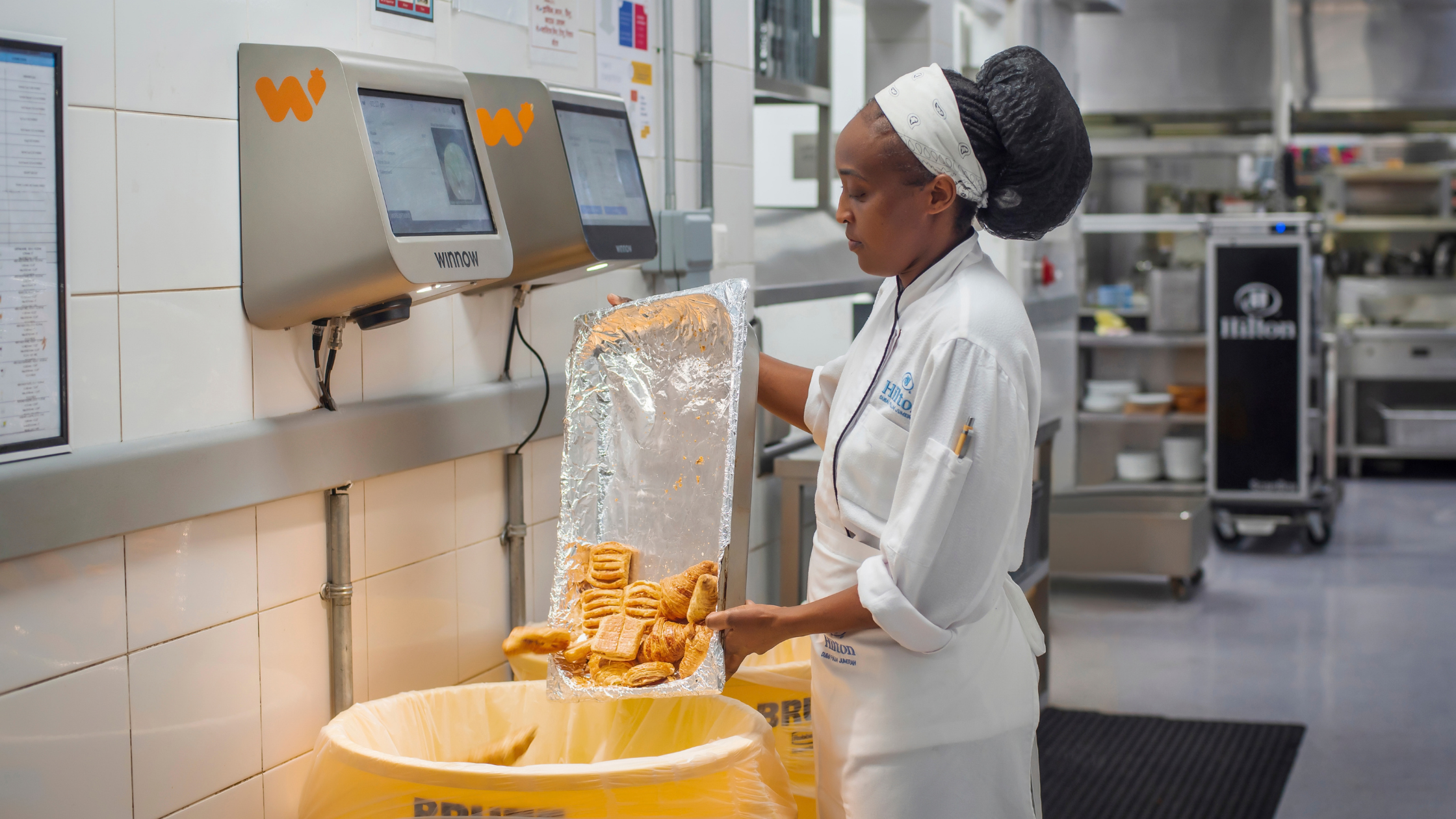
Home to Winnow (#4), the highest-ranked company across both domains. These companies use AI, computer vision and demand forecasting to show kitchens, retailers and manufacturers where waste happens, and help them act on it.
Winnow (#4 in the 2025 FoodTech 500) | United Kingdom | Uses AI tools to help large hospitality kitchens measure and cut food waste.
OneThird (#132 in the 2025 FoodTech 500) | Netherlands | Predicts fresh-produce shelf life to support better decisions across the supply chain.
Metafoodx (#137 in the 2025 FoodTech 500) | United States | Uses AI to help commercial kitchens reduce food waste and improve profitability.
Orbisk (#141 in the 2025 FoodTech 500) | Netherlands | Uses AI-powered computer vision to track food waste in professional kitchens.
Guac (#217 in the 2025 FoodTech 500) | United States | Uses AI demand forecasting to help grocery retailers order and produce the right amount.
Kikleo (#238 in the 2025 FoodTech 500) | France | Uses technology to help restaurants measure and reduce food waste.
LightBlue (#468 in the 2025 FoodTech 500) | Thailand | Uses data-driven technology and training to help hotels and restaurants prevent food waste.
Surplus marketplaces & apps (6 finalists)
These companies sell surplus before it becomes waste, through B2B marketplaces for manufacturers and suppliers, or apps that connect shoppers with discounted food at the end of the day.
Spoiler Alert (#106 in the 2025 FoodTech 500) | United States | Helps CPG companies sell slow-moving and obsolete inventory and recover more value from surplus stock.
Foodsi (#237 in the 2025 FoodTech 500) | Poland | Helps local food businesses sell surplus products instead of throwing them away.
Gander (#294 in the 2025 FoodTech 500) | United Kingdom | Shows shoppers discounted short-life products from retailers in real time.
Stokelp (#332 in the 2025 FoodTech 500) | France | Runs a B2B marketplace helping industrial food suppliers sell surplus raw materials.
Zest (#473 in the 2025 FoodTech 500) | United Kingdom | Develops AI-powered software that helps food manufacturers take action on food waste.
SpareEat (#486 in the 2025 FoodTech 500) | Israel | Sells half-price surprise bags made from food businesses’ unsold products at the end of the day.
Food donation & rescue (6 finalists)
This cluster routes edible surplus to charities, NGOs and food rescue organisations, using software to handle matching, logistics and reporting. It also stands to gain most from the EU push to make food donation easier, more on that below.
Fazla (#98 in the 2025 FoodTech 500) | Spain | Uses technology and a partner network to help businesses donate and recover surplus products.
EatCloud (#300 in the 2025 FoodTech 500) | Colombia | Uses a data-driven platform to redistribute unsold food and fight hunger at scale.
Comerso (#323 in the 2025 FoodTech 500) | France | Redirects companies’ surplus products to charities across France and Spain.
ConnectingFood (#450 in the 2025 FoodTech 500) | Brazil | Helps retailers, restaurants and food companies redirect surplus food to NGOs.
Knead Technologies (#482 in the 2025 FoodTech 500) | Canada | Provides an all-in-one logistics platform for food rescue organisations.
Careit (#483 in the 2025 FoodTech 500) | United States | Connects businesses with surplus food to local nonprofits through donation software.
Organic waste conversion (1 finalist)
One Food Waste Tech finalist works at the bottom of the hierarchy, turning organic waste that cannot be prevented or redistributed into new products.
Cetogenix (#357 in the 2025 FoodTech 500) | New Zealand | Converts organic waste into lower-carbon, higher-value products instead of sending it to disposal.
Upcycled Ingredients, Food Surplus & Waste Efficiency (30 finalists)
Upcycling works further down the hierarchy, turning what is left into new ingredients, materials, and feed. It is also where fermentation does most of the work.
Surplus redistribution (1 finalist)
One Upcycled finalist works on redistribution, getting surplus and imperfect produce to buyers rather than processing it.
Farm to Feed (#125 in the 2025 FoodTech 500) | Kenya | Connects farmers’ full harvests, including surplus and imperfect produce, with B2B buyers.
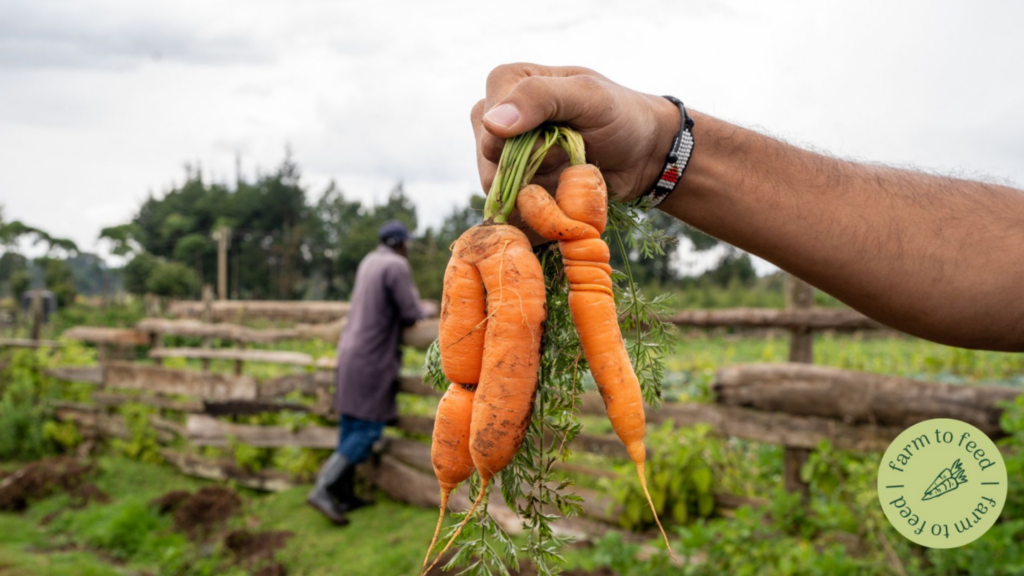 Courtesy: Farm to Feed
Fermentation-led upcycling (8 finalists)
Home to REDUCED (#30), the highest-ranked upcycling company on the list. These companies use microbes to turn side streams into flavours, proteins, fats, and coffee and cocoa alternatives. For a primer on the processes behind upcycling, from fermentation and extraction to insect bioconversion, see our deep dive on food upcycling.
REDUCED (#30 in the 2025 FoodTech 500) | Denmark | Ferments food-industry side streams into clean-label savoury flavour solutions for food manufacturers and professional kitchens.
Green Spot Technologies (#84 in the 2025 FoodTech 500) | France | Uses fermentation to transform undervalued plant side streams into food ingredients.
Crush Dynamics (#92 in the 2025 FoodTech 500) | Canada | Uses patented fermentation to turn polyphenol-rich agricultural side streams into multifunctional ingredients.
Protein Distillery (#113 in the 2025 FoodTech 500) | Germany | Upcycles spent brewer’s yeast into Prewtein®, a functional protein that can replace eggs, dairy and binders.
endless food co (#170 in the 2025 FoodTech 500) | Denmark | Produces B2B alternative chocolate ingredients designed to reduce exposure to cocoa price and supply volatility.
ÄIO (#197 in the 2025 FoodTech 500) | Estonia | Uses fermentation to produce oils and fats from low-value by-products such as sawdust sugars and dairy side streams.
Prefer (#256 in the 2025 FoodTech 500) | Singapore | Makes affordable flavours and ingredients from by-products, starting with coffee and cocoa.
MOA Foodtech (#267 in the 2025 FoodTech 500) | Spain | Combines biotechnology and food science to develop sustainable ingredients from food-industry side streams.
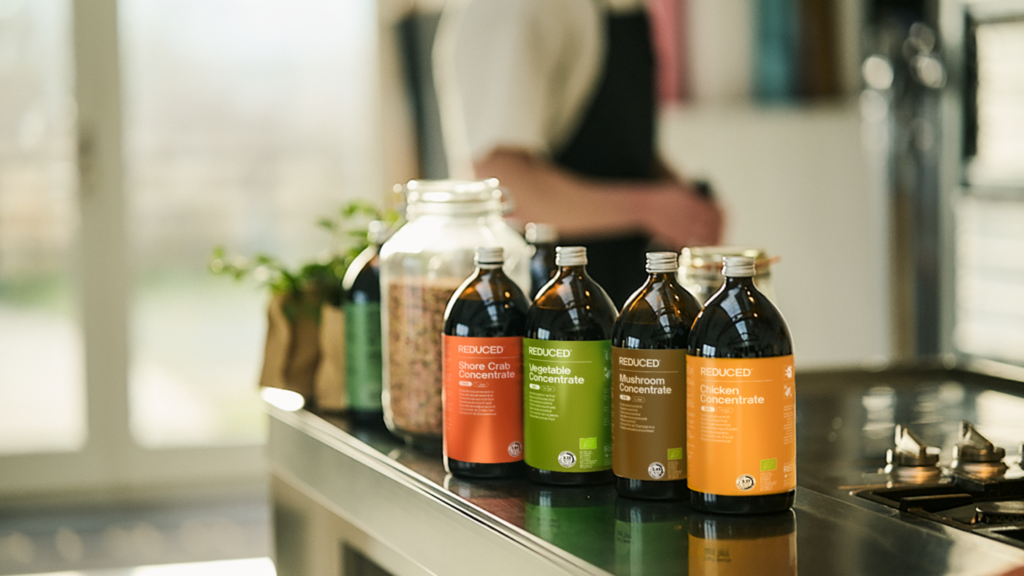 Courtesy: REDUCED
Upcycled ingredients & products (11 finalists)
The largest cluster. These companies process brewing grains, okara, fish bones, seaweed, fruit and surplus bread into new ingredients and foods, mostly sold B2B to manufacturers. SuperGround (#208) is the biggest climber across both domains, up from #470 in 2024.
Nortian (#152 in the 2025 FoodTech 500) | United States | Develops ultra-pure collagen through a proprietary, vertically integrated production process.
Climate Candy (#161 in the 2025 FoodTech 500) | United States | Turns rescued produce into FAVES fruit chews through a circular supply chain.
SuperGround (#208 in the 2025 FoodTech 500) | Finland | Uses patented processing technology to turn fish and poultry side streams into food ingredients.
Agrain (#243 in the 2025 FoodTech 500) | Denmark | Turns brewing and distilling side streams into nutritious and flavourful food ingredients.
Maltivor (#278 in the 2025 FoodTech 500) | France | Upcycles cereal co-products from brewing and distilling into functional food ingredients.
Rebread (#348 in the 2025 FoodTech 500) | Poland | Prevents food waste by transforming surplus bread into sustainable beverages.
Poseidona (#350 in the 2025 FoodTech 500) | Spain | Creates food ingredients from macroalgae side streams and invasive seaweed.
Upgrain (#354 in the 2025 FoodTech 500) | Switzerland | Uses proprietary upcycling technology to create more sustainable and nutritious food ingredients.
Livoo Foods (#370 in the 2025 FoodTech 500) | Sweden | Processes oat-milk okara into high-quality plant-based ingredients.
Ingredalia (#371 in the 2025 FoodTech 500) | Spain | Transforms agri-food by-products into functional natural ingredients with health applications.
AgroGrIN Tech (#426 in the 2025 FoodTech 500) | Portugal | Produces clean-label food ingredients by upcycling fruit and vegetable side streams.
Beyond food: cosmetics, chemicals & biomaterials (5 finalists)
Not every side stream goes back into food. These companies turn coffee grounds, agrifood residues and organic waste into cosmetic ingredients, fatty acids and growth media. Beauty is the most active outlet, more on that below.
ChainCraft (#121 in the 2025 FoodTech 500) | Netherlands | Ferments organic residues into fatty acids that replace fossil- and palm-based alternatives.
Kaffe Bueno (#182 in the 2025 FoodTech 500) | Denmark | Operates a coffee biorefinery that turns coffee by-products into ingredients for personal care, health and nutrition.
Greentech Innovators (#364 in the 2025 FoodTech 500) | Norway | Converts food-system waste into growth media for microalgae, bacteria and fungi.
Caffe Inc. (#366 in the 2025 FoodTech 500) | Netherlands | Upcycles spent coffee grounds into food ingredients, oils and biomaterials.
Gaia Tech (#409 in the 2025 FoodTech 500) | Switzerland | Transforms agrifood by-products into ingredients for cosmetics and food.
Feed, fertiliser & recovery (5 finalists)
What cannot be eaten can still be recovered. These companies convert organic waste into animal feed, insect protein and fertiliser. Volare (#58) is one of the clearest climbers in the ranking, up from #131 in 2024, when we featured it in our Waste to Value analysis.
Volare (#58 in the 2025 FoodTech 500) | Finland | Turns food-industry side streams into protein, oils and fertilisers.
FreezeM (#116 in the 2025 FoodTech 500) | Israel | Develops black soldier fly breeding technology that enables organic waste to be converted into protein and fertiliser.
Ecorich Solutions (#245 in the 2025 FoodTech 500) | Kenya | Develops a solar-powered WasteBot that converts organic waste into fertiliser in 24 hours.
Global Cerah (#328 in the 2025 FoodTech 500) | Malaysia | Converts agricultural waste into alternative livestock feed.
Ehfaaz (#381 in the 2025 FoodTech 500) | UAE | Builds circular-economy solutions spanning waste recovery, upcycling, ESG analytics and training.
The picture extends beyond these two domains. Other FoodTech 500 finalists also build their businesses around side streams, including Dapibuset, Kosmode Health, Xylome, Aquanzo, Bioloop, N&E Innovations, and EcoBean.
Want to explore these companies and more across food waste and upcycling? Find them in the Food Data Navigator.
Why now: the signals for corporates & investors
- EU food waste targets are now binding. The revised Waste Framework Directive entered into force on 16 October 2025, setting a 10% reduction target for processing and manufacturing waste and a 30% per-capita reduction at retail and consumption by 2030, using 2021-2023 as the baseline. It also includes measures to make food donation easier, putting prevention and redistribution higher on businesses’ agendas.
- Capital is moving towards circularity. In our Wave 3.0 analysis, the Food Data Navigator tracked 550+ Sustainable Ingredients & Circularity companies raising $884M+ in 2024, with the sector growing at a 12% CAGR. Upcycling has also become a sizeable part of the landscape, with 480+ companies identified in our previous Waste to Value analysis.
- Circular fats offer a different route around deforestation risk. Companies such as ÄIO, which produces fats from side streams, and ChainCraft, which makes fatty acids from organic residues, offer alternatives that are structurally less exposed to the land-use pressures linked to conventional tropical fats.
- Beauty is becoming an early market for upcycled ingredients. Our FoodTech-to-beauty analysis found that upcycled and circular solutions are already the most established route from FoodTech into cosmetics, with 17 FoodTech 500 alumni operating in this space.
- Volatility in cocoa and coffee is adding another reason to look at side streams. Price and supply pressure in both commodities is making alternative ingredients and by-product-based solutions more relevant. Our 2025 newcomers analysis found a cluster of first-time finalists working on cocoa alternatives. In this cohort, endless food co, Prefer, Kaffe Bueno and Caffe Inc. are all building new ingredients from cocoa or coffee side streams, or from alternative feedstocks designed to replace them.
Where the caution flags are
Upcycling still comes with a feedstock challenge. Side streams can be seasonal, variable, or tied to a single supplier, and transport and storage costs can quickly erode the advantage of a low-cost raw material. Prevention technologies face a different hurdle as results often depend on kitchen, store, or operations teams actually changing day-to-day habits.
Redistribution models can also be difficult to scale, with thin margins and donation incentives that vary by market. Finally, regulation adds another layer: some upcycled ingredients may require EU novel food approval, while “upcycled” itself is still a voluntary claim rather than a regulated category. The Upcycled Certified standard remains one of the main reference points.
Ready to join the 2026 FoodTech 500?
The 2025 cohort shows there is room on the list for both established players and early-stage companies pushing the science forward. If your company is working on food waste prevention, surplus redistribution, upcycling or circular ingredients, applications for the 2026 FoodTech 500 are open until 15 November 2026. Read what’s new for this year’s edition and apply here.
Forward Fooding is the world’s first collaborative platform for the Food & Beverage industry via FoodTech Data Intelligence and Corporate-Startup Collaboration – Learn more about our Consultancy and Scouting Services and our Startup Network.