Welcome to the Forward Fooding FoodTech 500 Sector Spotlight Series, a new editorial strand where we go deep on each domain: the data, the science and the companies. Edition 01: Ag Biotech.
There is a good reason to start with Ag Biotech: the #1 company in the 2025 FoodTech 500 is an Ag Biotech company, Pairwise. 48 Ag Biotech companies made the 2025 FoodTech 500, representing 9.6% of the list and making it the third-largest domain, behind Farm Management & Precision Farming (63) and Biotech/Synthetisation (51).
In 2025 we called it one of the key pillars of FoodTech Wave 3.0, and in our Ag Biotech deep-dive we mapped the technologies behind it. This spotlight picks up where that piece left off: who is leading now, and what the 2025 FoodTech 500 data says about them.
What is Ag Biotech?
Ag Biotech is the convergence of biological sciences and technology, spanning genetic engineering, microbial solutions, and precision biological tools. It uses genes, microbes, proteins, fungi, and plant chemistry to make crops more resilient, improve nutrient uptake, protect them from pests and disease, or help them perform better under stress.
That makes it different from its close neighbour in the FoodTech 500, Farm Management & Precision Farming. Precision Farming uses digital and physical tools (sensors, software, robotics, and machinery) to monitor and optimize farm operations.
Why it matters more now
The three forces driving the opportunity in Ag Biotech still hold: climate disruption, rising food demand, and scarce water, arable land, and phosphorus. Two pressures have sharpened since and have moved from long-term risks to items on the EU policy agenda.
- Rising fertiliser prices and import dependency are increasing pressure on European agriculture. Nitrogen fertiliser prices were 71% above the 2024 average in April 2026, while the new EU Fertiliser Action Plan aims to reduce import reliance and scale bio-based, low-carbon alternatives.
- Soil quality is degrading quickly, with around 62% of European soils showed signs of degradation in 2025, tightening the pressure alongside stricter limits on synthetic pesticides.
Together, these pressures are pushing agriculture towards solutions that work with biology, rather than relying only on chemicals or machinery.
Ag Biotech by the numbers (FDN Numbers)
Ag Biotech is emerging as one of the strongest technology domains in the 2025 FoodTech 500. The domain produced the #1 company overall, with 4 finalists in the Top 20 and 8 in the Top 50. At the same time, the cohort reflects a two-speed funding landscape: 54% of finalists are still pre-seed, seed or pre-Series A, while 27% have already reached Series B or beyond, almost twice the 13.6% share across the full list. Funding is highly concentrated, with seven Series C+ companies holding around 58% of the domain’s self-reported capital.
Commercialisation also comes with longer timelines. 71% of Ag Biotech finalists are revenue-generating, compared with 80% across the full FoodTech 500, reflecting the field-trial and regulatory cycles typical of the sector. The 48 companies span 17 countries, with Europe accounting for 46% of the cohort, while 50% have at least one female founder, compared with 38% across the full list. There is also strong continuity: 71% are returning FoodTech 500 alumni, alongside 14 first-time finalists.
| Metric | Ag Biotech | Whole list | Note |
|---|---|---|---|
| Finalists | 48 | 500 | 9.6% of the list |
| Rank among FDN domains | 3rd | – | After Farm Mgmt (63) and Biotech/Synthetisation (51) |
| Countries | 17 | – | US 13, UK 8, Israel 5, Switzerland 3 |
| Early stage (pre-seed, seed, pre-A, grant) | 26 (54%) | – | – |
| Late stage (Series B, C+, IPO) | 13 (27%) | 13.6% | Whole-list figure from Whitepaper, to recheck |
| Revenue-generating | 34 (71%) | 80% | Longer trial and regulatory cycles |
| Female founder(s) | 24 (50%) | 38% | – |
| BAME founder(s) | 12 (25%) | 26.4% | – |
| Self-reported total funding | ~$1.17B | – | Crunchbase ~$1.03B; median $4.0M |
| Funding held by 7 Series C+ companies | ~$672M (58%) | – | Series B + C+ = ~85% |
 Applications for the 2026 FoodTech 500 are open until 15 November, more on how to apply at the end of this piece.
The Ag Biotech Map
In our 2025 deep-dive, we mapped Ag Biotech into four technology clusters: bio-engineered crops, soil health biotechnology, bio-stimulants and bio-fertilisers, and carbon sequestration. So how do the 2025 FoodTech 500 finalists fall across that map?
To find out, we grouped the 48 finalists by their main technology tag in our FoodTech Data Navigator. Twelve FDN technology tags do the work here: Genetic engineering/Genome editing for bio-engineered crops, Fertilizer for bio-stimulants and bio-fertilisers, Soil Health and Microbiome & microbes for soil, Carbon sequestration/reduction for carbon, then Pest control and Crop protection, Molecular farming with Alternative proteins and Alternative ingredients, and Sensing technology with Field Phenotyping. Most companies carry several tags, so we placed each one under the tag that best describes its core technology.
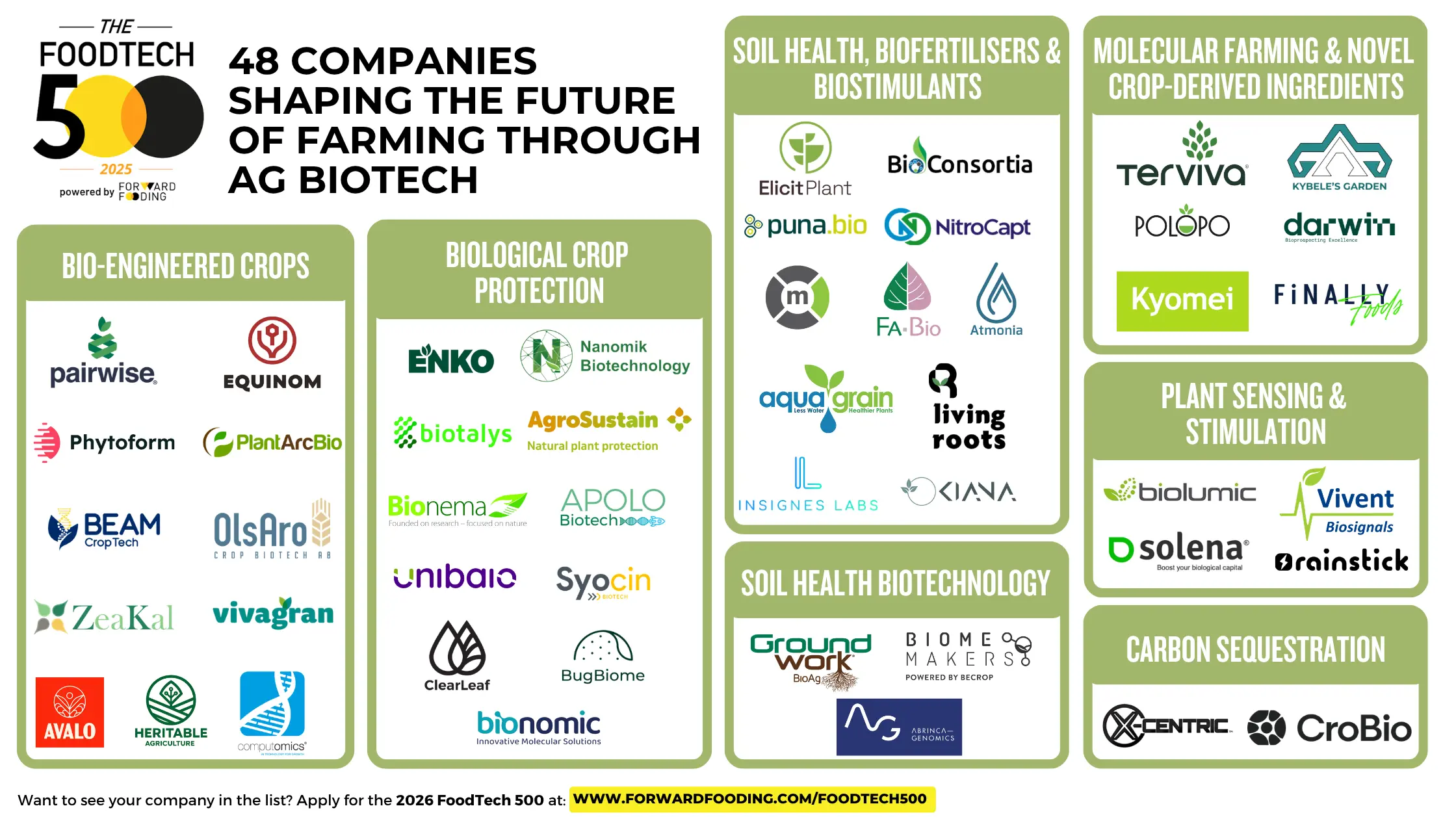
Bio-engineered crops (11 finalists)
The largest cluster, and home to the #1 company on the list. These companies use gene editing, AI, and advanced breeding to develop traits for yield, resilience, disease resistance, and nutrition.
Pairwise (#1 in the 2025 FoodTech 500) | United States | Uses CRISPR gene editing to develop and license crop traits that make plants easier to grow and eat.
Equinom (#59 in the 2025 FoodTech 500) | Israel | Uses breeding and protein-quality intelligence to help the grain industry source and manage better-performing crops.
Avalo (#174 in the 2025 FoodTech 500) | United States | Combines evolutionary biology and machine learning to breed more resilient crops faster.
Phytoform (#253 in the 2025 FoodTech 500) | United Kingdom | Uses genetic technologies to develop more sustainable and resilient crops.
PlantArcBio (#258 in the 2025 FoodTech 500) | Israel | Discovers genes that can improve crop yields, resilience and sustainability.
Computomics (#264 in the 2025 FoodTech 500) | Germany | Uses AI and bioinformatics to accelerate climate-resilient crop breeding.
Beam CropTech (#283 in the 2025 FoodTech 500) | United States | Combines photobiology and genetics to improve photosynthesis, crop yields and carbon capture.
ZeaKal (#329 in the 2025 FoodTech 500) | United States | Develops plant traits that help crops capture more sunlight and carbon while improving productivity.
Heritable Agriculture (#405 in the 2025 FoodTech 500) | United States | Uses AI and genomics to accelerate crop breeding and trait development.
OlsAro (#420 in the 2025 FoodTech 500) | Sweden | Accelerates the development of climate-resilient cereal traits through its SeedAX biotech platform.
Vivagran (#430 in the 2025 FoodTech 500) | Spain | Develops climate-resilient cereal crops for more sustainable farming and better nutrition.
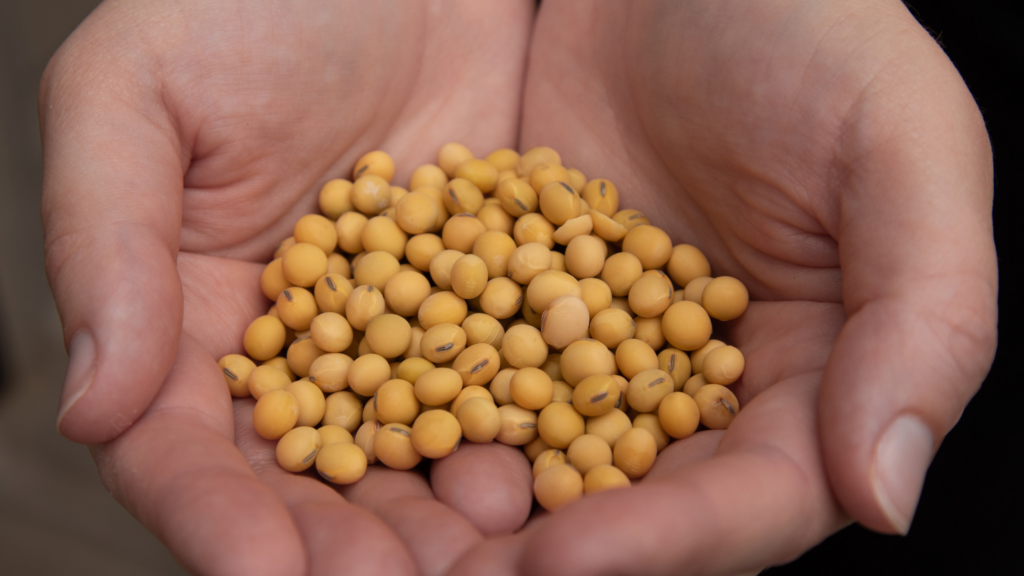
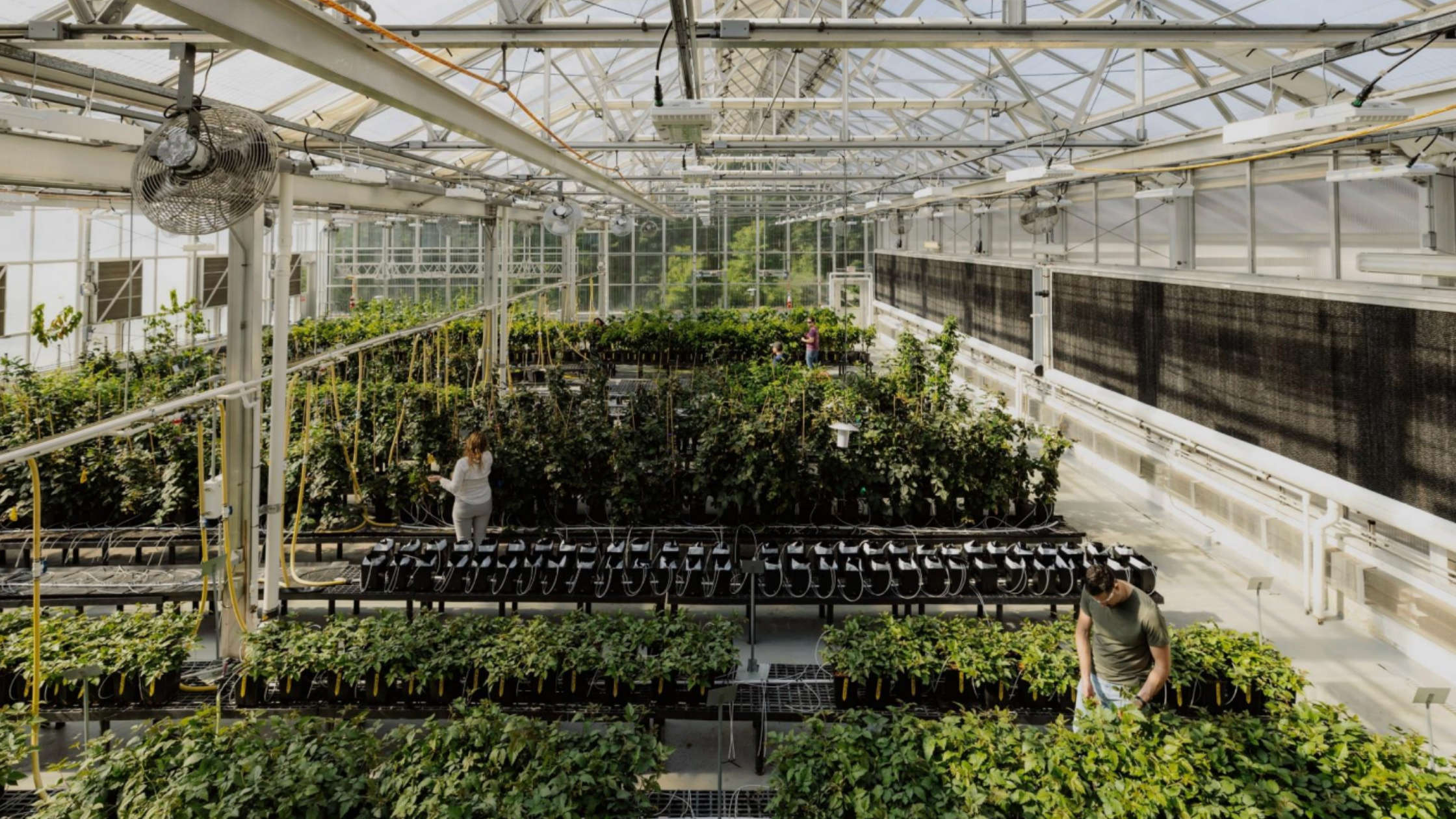
Courtesy: ZeaKal
Soil health, biofertilisers & biostimulants (11 finalists)
The cluster most directly tied to Europe’s fertiliser squeeze, these companies use microbes, fungi and plant-derived compounds to help crops access nutrients, manage water and perform better under stress.
Elicit Plant (#15 in the 2025 FoodTech 500) | France | Uses phytosterol-based biostimulants to strengthen crop resilience to drought and climate stress.
BioConsortia (#28 in the 2025 FoodTech 500) | United States | Develops microbial products that improve crop nutrition and reduce agriculture’s environmental footprint.
CCm Technologies (#51 in the 2025 FoodTech 500) | United Kingdom | Produces low-carbon fertiliser from captured carbon and recovered waste nutrients.
Puna Bio (#142 in the 2025 FoodTech 500) | Argentina | Uses extremophile microbes to develop biological inputs that improve yields and restore degraded soils.
FA Bio (#151 in the 2025 FoodTech 500) | United Kingdom | Develops fungi-based agricultural inputs that improve soil health and reduce reliance on chemicals.
Living Roots (#272 in the 2025 FoodTech 500) | Thailand | Develops microbial biologicals and fertilisers to improve smallholder yields while regenerating soils.
NitroCapt (#355 in the 2025 FoodTech 500) | Sweden | Electrifies nitrogen fertiliser production to reduce cost and reliance on fossil fuels.
Insignes Labs (#395 in the 2025 FoodTech 500) | Poland | Develops technology that helps farmers increase yields while reducing chemical inputs.
Atmonia (#412 in the 2025 FoodTech 500) | Iceland | Develops small-scale, decentralised technology for sustainable ammonia production.
Aquagrain (#449 in the 2025 FoodTech 500) | United Kingdom | Turns organic food-chain waste into a biodegradable soil enhancer that improves water and nutrient retention.
Kiana (#489 in the 2025 FoodTech 500) | Netherlands | Develops enzyme- and microbial-based biofertilisers, biopesticides and biostimulants for regenerative agriculture.
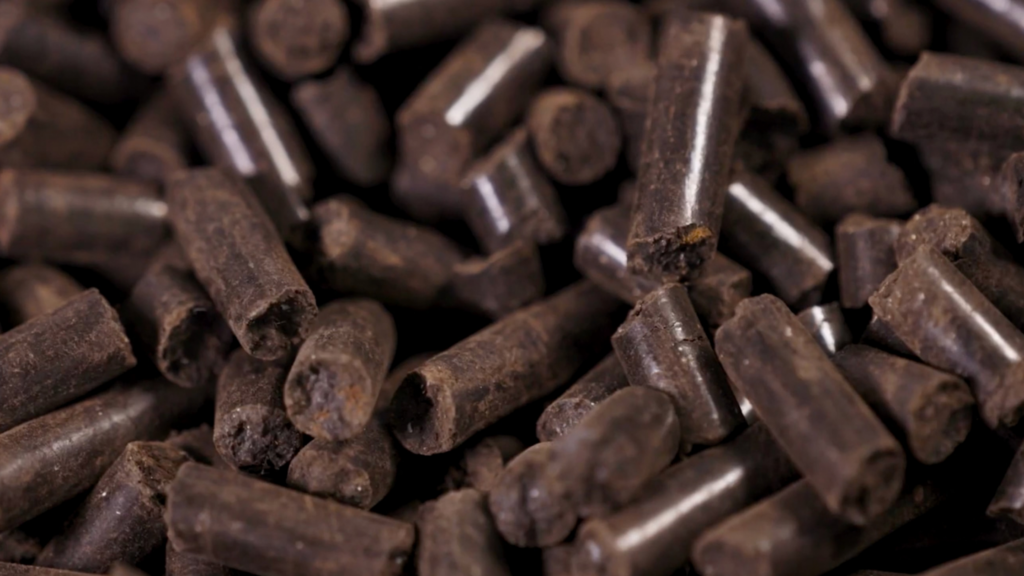
Courtesy: CCm Technologies
Biological crop protection (11 finalists)
This cluster uses proteins, RNA, microbes and other biological tools to protect crops from pests and disease while reducing reliance on conventional synthetic pesticides.
ENKO (#33 in the 2025 FoodTech 500) | United States | Uses AI to discover new crop-protection solutions against insects, weeds and disease.
Nanomik Biotechnology (#71 in the 2025 FoodTech 500) | Turkey | Uses biodegradable microencapsulation to improve the stability and performance of natural crop-protection actives.
Biotalys (#89 in the 2025 FoodTech 500) | Belgium | Develops protein-based biocontrol solutions for pre- and post-harvest crop protection.
APOLO Biotech (#155 in the 2025 FoodTech 500) | Argentina | Develops RNA-based technologies for crop protection and plant modulation.
Bionema (#166 in the 2025 FoodTech 500) | United Kingdom | Develops biological crop-protection products and biopesticide technologies.
AgroSustain (#203 in the 2025 FoodTech 500) | Switzerland | Develops natural crop-protection and coating solutions that preserve produce from field to consumer.
ClearLeaf (#274 in the 2025 FoodTech 500) | United States | Develops certified fungicides and bactericides for pre- and post-harvest crop protection.
Unibaio (#321 in the 2025 FoodTech 500) | United States | Develops a natural nano-additive that improves pesticide performance while reducing application rates.
Bionomic (#413 in the 2025 FoodTech 500) | Netherlands | Develops next-generation biological products for crop protection.
BugBiome (#425 in the 2025 FoodTech 500) | United Kingdom | Discovers and develops microbial insecticides as alternatives to conventional crop protection.
Syocin Biotech (#472 in the 2025 FoodTech 500) | Argentina | Uses synthetic biology and AI to design high-performance antibacterial proteins.
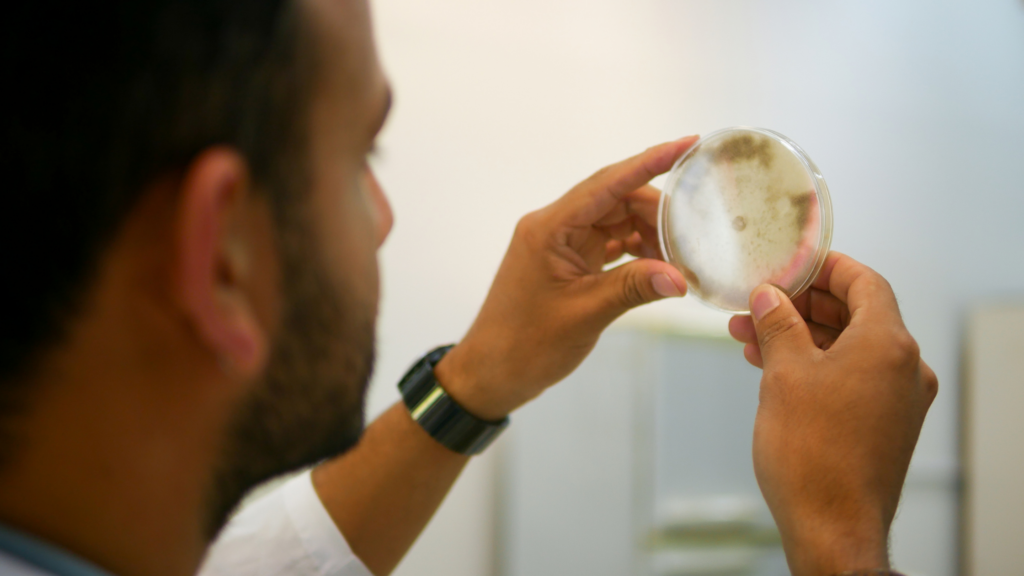
Courtesy: APOLO Biotech
Molecular farming & novel crop-derived ingredients (6 finalists)
This cluster uses plants both as sources of new food ingredients and as production systems for specific proteins or other high-value compounds and crop-based ingredients. More in our molecular farming explainer and our Rubisco deep-dive.
Terviva (#17 in the 2025 FoodTech 500) | United States | Produces oils and proteins from climate-resilient pongamia trees grown on degraded agricultural land.
Kybele’s Garden (#266 in the 2025 FoodTech 500) | Turkey | Develops algae-based raw materials for agriculture, food and cosmetics.
PoLoPo (#314 in the 2025 FoodTech 500) | Israel | Uses molecular farming to develop protein-rich potatoes as a new production platform.
Darwin (#315 in the 2025 FoodTech 500) | Spain | Discovers and characterises novel bacteria for food, beverage and supplement applications.
Kyomei (#399 in the 2025 FoodTech 500) | United Kingdom | Uses biotechnology to transform agricultural biomass into high-value food ingredients.
Finally Foods (#469 in the 2025 FoodTech 500) | Israel | Uses molecular farming to produce dairy proteins such as casein inside potato plants.
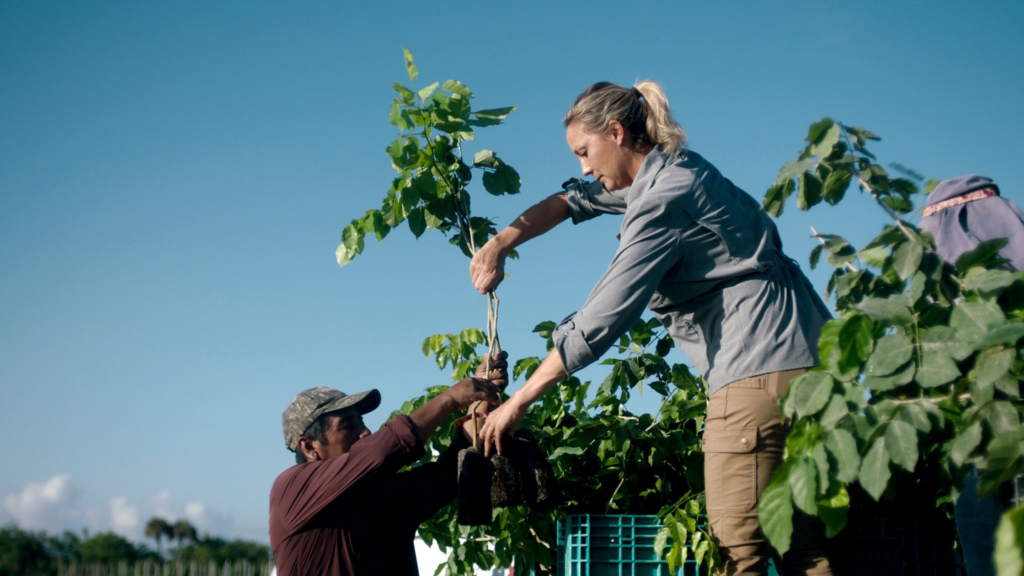
Courtesy: Terviva
Plant sensing & stimulation (4 finalists)
These technologies read or stimulate plant signals to improve growth, resilience or crop monitoring.
BioLumic (#45 in the 2025 FoodTech 500) | New Zealand | Uses UV light signalling to trigger beneficial growth, yield and resilience traits in seeds and seedlings.
Vivent (#178 in the 2025 FoodTech 500) | Switzerland | Measures electrical signals directly from plants to monitor crop health in real time.
Solena AG (#187 in the 2025 FoodTech 500) | United States | Uses phenotyping and agricultural data to support more informed crop and soil management.
Rainstick (#442 in the 2025 FoodTech 500) | Australia | Uses electricity to stimulate seeds and support faster, stronger crop growth.
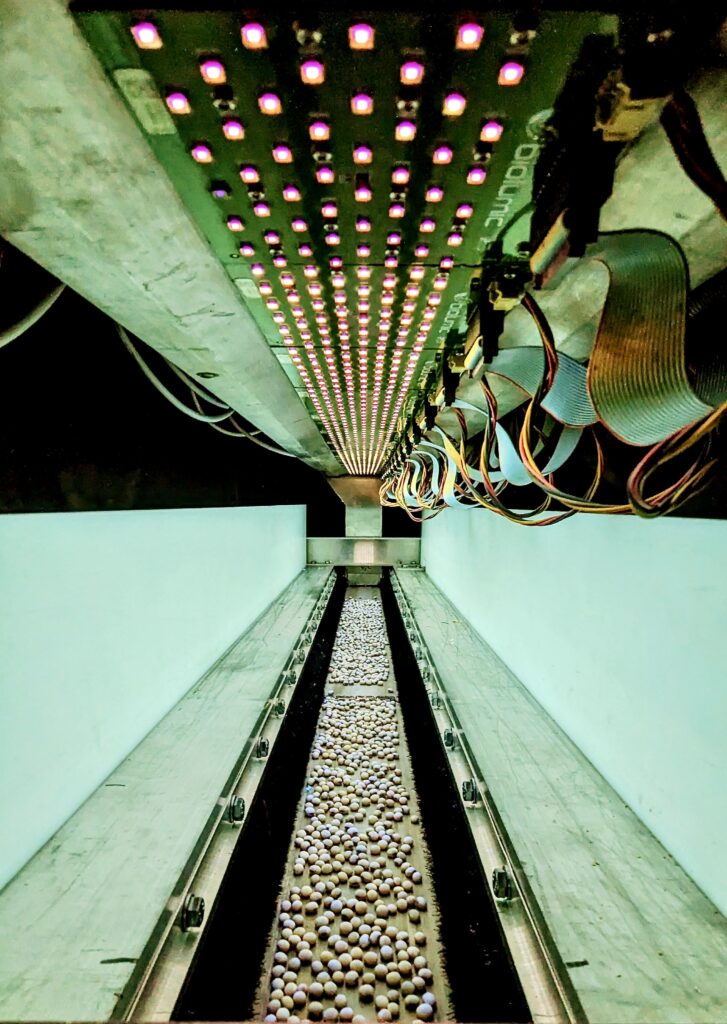 Courtesy: BioLumic
Soil health biotechnology (3 finalists, and a layer across many more)
Only four finalists have soil health as their main tag. But 18 of the 48 carry a Soil Health or Microbiome tag somewhere. Soil has stopped being a niche. It is now a layer across the whole domain.
Groundwork BioAg (#11 in the 2025 FoodTech 500) | Israel | Develops mycorrhizal fungi inoculants that extend root reach, improve yields and support soil carbon.
Biome Makers (#27 in the 2025 FoodTech 500) | United States | Uses soil microbiome analysis to provide biological and functional insights into soil health.
Abrinca Genomics (#406 in the 2025 FoodTech 500) | Switzerland | Makes microbial genomics and bioinformatics more accessible for food and agricultural research.
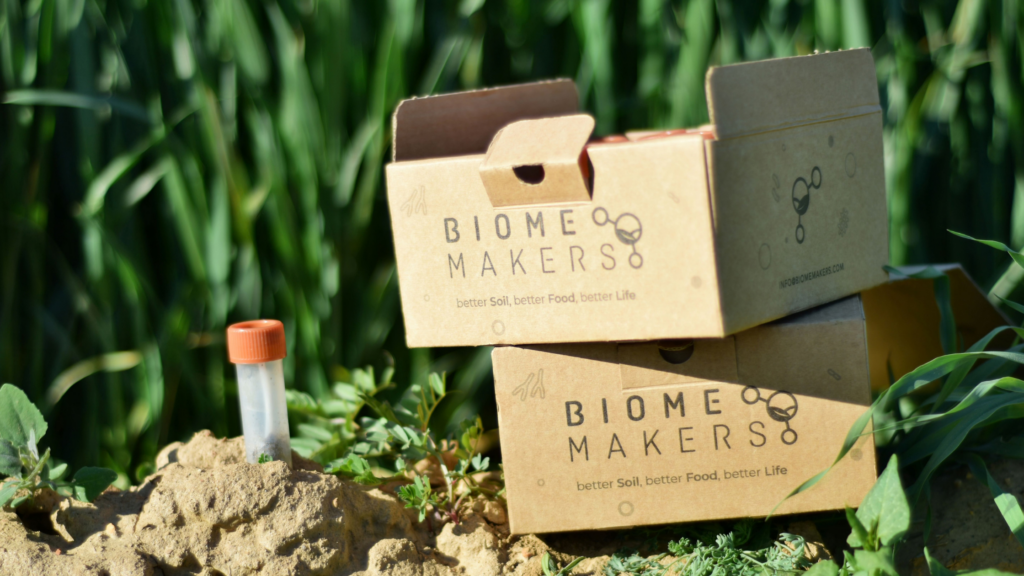 Courtesy: Biome Makers
Carbon sequestration (2 finalists)
This technology cluster includes several distinct approaches that work to capture and store atmospheric carbon in agricultural soils and biomass.
X-Centric Sciences (#209 in the 2025 FoodTech 500) | Australia | Develops soil-measurement technology for more efficient and resilient farming.
CroBio (#359 in the 2025 FoodTech 500) | United Kingdom | Uses microbes to create a sponge-like material around plant roots that improves water retention.
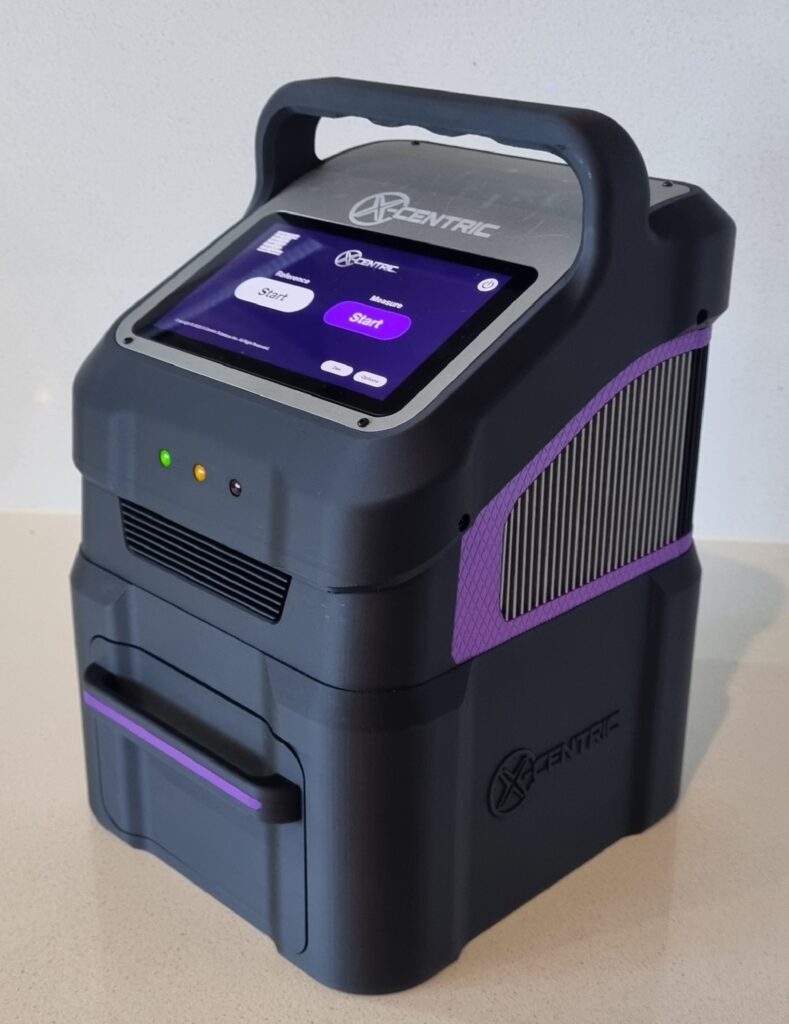 Courtesy: X-Centric Sciences
Want to explore these companies and more across AgTech? Find them in the Foodtech Data Navigator.
Why now: the signals for corporates & investors
- Europe is opening the door to gene-edited crops. The EU’s NGT Regulation (EU) 2026/1388 entered into force on 16 July 2026 and applies from 17 July 2028. Under the new framework, Category 1 gene-edited plants benefit from a simplified pathway, separate from standard GMO rules, as outlined in this USDA FAS summary. For European gene-editing companies such as Phytoform, Computomics, OlsAro and Vivagran, this creates a clearer route towards future commercialisation in the EU.
- Investment is shifting upstream and towards deeper technology. Agrifoodtech funding remained almost flat at $16.2B in 2025, but upstream startups attracted $9B, up 7% year-on-year. Deeptech’s share of agrifoodtech investment rose from 34% in 2021 to 59% in 2025, signalling stronger investor interest in science-led solutions across areas such as crop genetics, biologicals and new agricultural inputs.
- Agricultural biologicals are moving into a sizeable commercial market. Estimates vary depending on how the category is defined, but both major forecasts point to continued growth: MarketsandMarkets values the market at $18.4B in 2025 and projects $35B by 2030, while Grand View Research estimates $12.2B in 2025, growing to $19.5B by 2033. The exact size may be debated, but the direction is clear: biological crop protection, biostimulants and biofertilisers are moving further into mainstream agriculture.
Where the caution flags are
Ag Biotech still comes with long development and commercialisation timelines. Field trials move with growing seasons, while regulatory approvals vary by technology and market. That makes scaling more capital-intensive than in many other FoodTech categories, particularly once companies move beyond early R&D.
And that is where the growth-capital gap becomes visible. Funding becomes harder to secure at Series B and beyond, and our own cohort shows the same pattern: most of the capital is concentrated in a small number of later-stage companies. Regulation is moving in a positive direction too, but not overnight: the EU’s new NGT Regulation only applies from 17 July 2028, while Category 2 plants will remain subject to adapted GMO requirements. Europe is opening, but it is not fully open yet.
Ready to join the 2026 FoodTech 500?
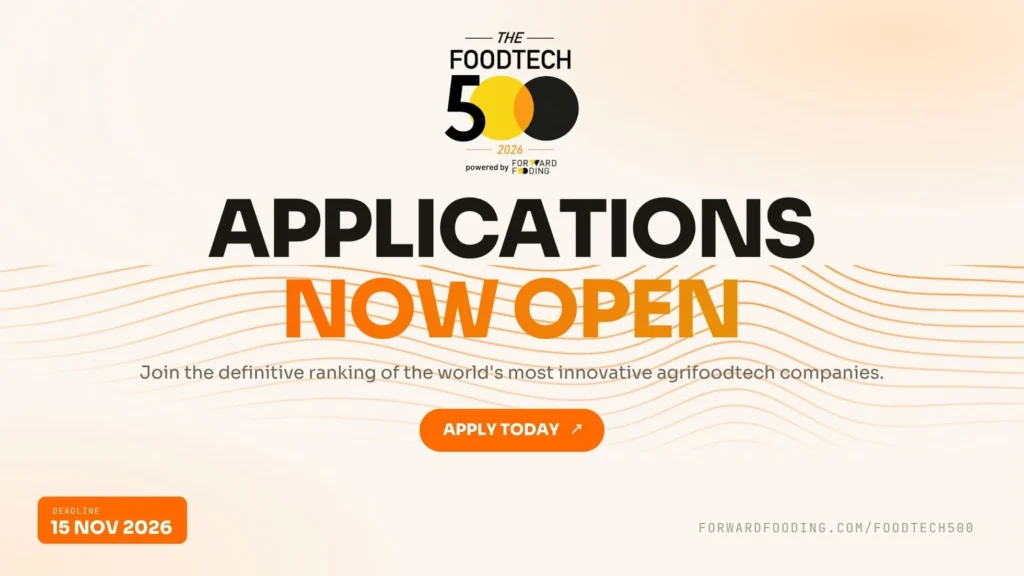
The 2025 cohort shows there is room on the list for both established players and early-stage companies pushing the science forward. If your company is building the next generation of Ag Biotech, applications for the 2026 FoodTech 500 are open until 15 November 2026. Read what’s new for this year’s edition and apply here.
Forward Fooding is the world’s first collaborative platform for the Food & Beverage industry via FoodTech Data Intelligence and Corporate-Startup Collaboration – Learn more about our Consultancy and Scouting Services and our Startup Network.